Tag: turnover

  • Use Case: From Turnover to Triumph: Q2’s Culture Shift Drives 31% Longer Tenure

    Use Case: From Turnover to Triumph: Q2’s Culture Shift Drives 31% Longer Tenure

    USE CASE

    From Turnover to Triumph: Q2’s Culture Shift Drives 31% Longer Tenure

    7 minute read

    46% increase

    in revenue

    48 employees

    retained over 5 years

    83% improvement

    operational efficiency at select locations

    Q2 Management provides quality assurance services to automotive manufacturers, ensuring every part meets exacting standards before assembly. Operating across 186 locations in the U.S. and Canada, Q2’s workforce inspects over 48 million car parts annually. Heavily reliant on contractors and general laborers for short-term assignments, Q2 faced the dual challenges of high turnover and dispersed teams. To address these systemic challenges, Q2 implemented innovative strategies to operationalize its values, improve retention, and build a culture of connection.

    the CHALLENGE

    Navigating High Turnover in a Complex Industry

    Q2’s industry presents unique retention challenges. With a workforce composed primarily of temporary contractors tasked with demanding and repetitive work in environments like stamping plants and casting factories, turnover was especially high. On average, 90% of quality inspectors left their roles within months, creating significant costs in recruitment, training, and inefficiencies. Q2 needed a solution to operationalize their values, connect their workforce, and create an environment where even temporary employees would feel valued and motivated to stay longer.

    the solution

    Building a Centralized, Values-Driven Community

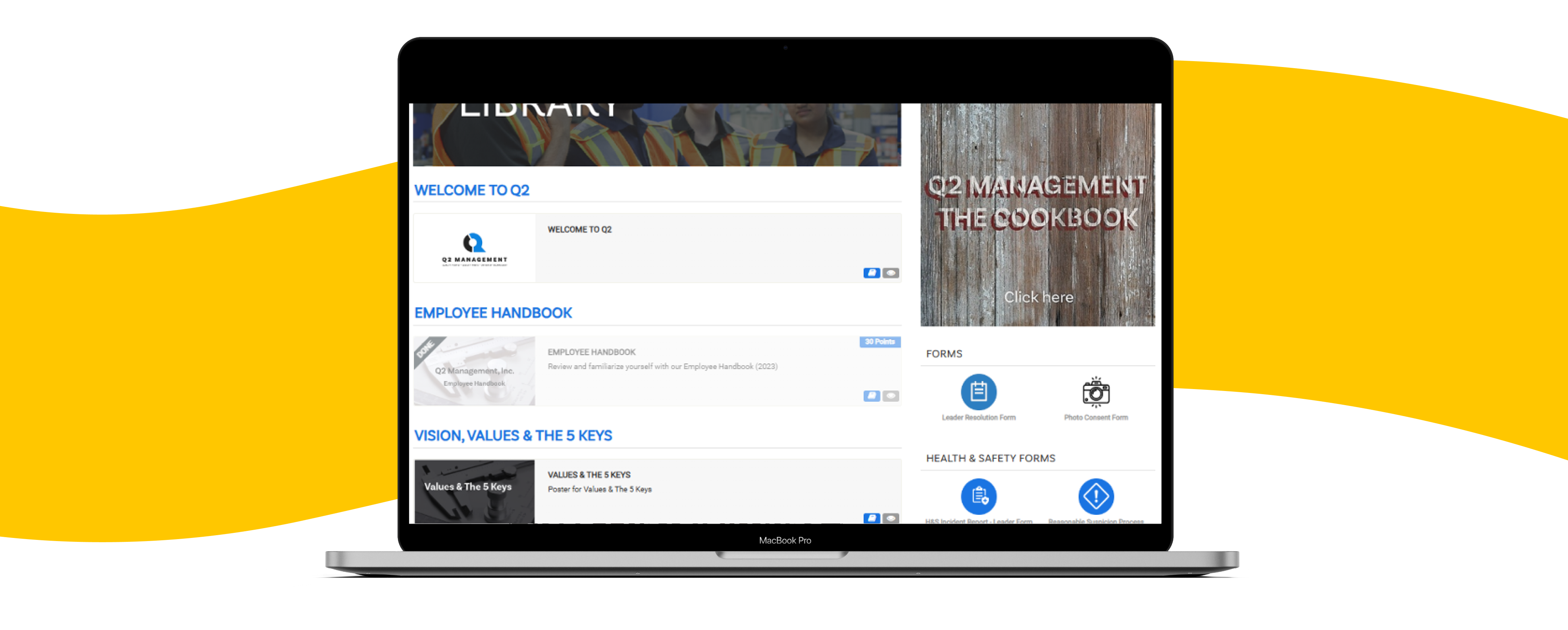
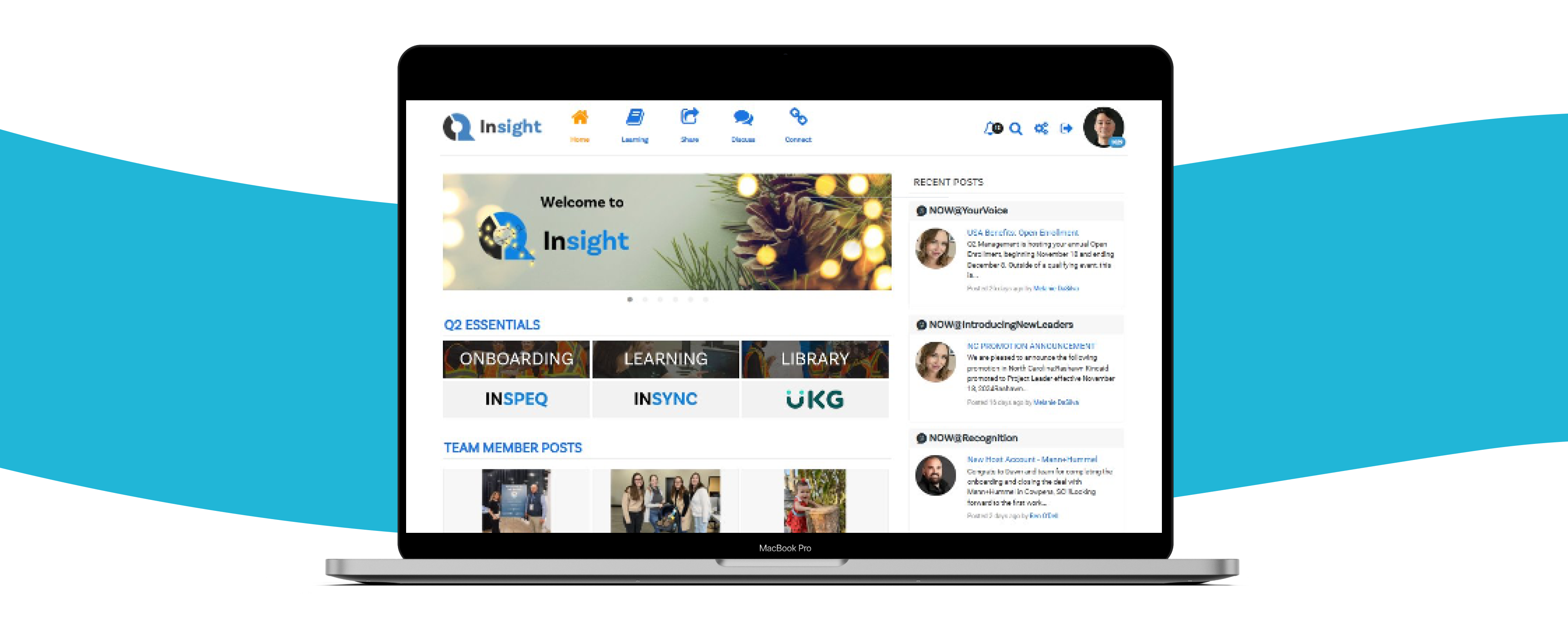
    Q2 turned to Wisetail’s LMS as the cornerstone of its retention strategy, using the platform to centralize training and communication while embedding its core values—Honesty, Care, Ownership, Transparency, and Empowerment—into daily operations.

    Values-Based Training for Leaders and Teams

    Leadership training modules tied directly to Q2’s values ensured that managers could resolve challenges consistently and effectively. For example, a Leadership Resolution Form required leaders to document how they applied Q2’s values to address workplace issues. This empowered leaders to act immediately while maintaining transparency and alignment with the company’s culture.

    Jason Chan, EVP at Q2, remarked, “Our leaders became overnight experts in our values, using them to resolve challenges immediately and effectively.”

    This alignment ensured that even in high-pressure situations, employees understood expectations and felt supported.

    Streamlined Communication and Peer Connections

    The LMS became more than a training platform; it acted as a central communication hub that brought employees together. Transparency was operationalized through shared updates on company goals, employee recognition, and feedback. Employees used the LMS to share project highlights, such as team photos from unique job sites. These interactions fostered a sense of belonging and connection, even among temporary teams.

    “These moments create lasting memories and make employees feel part of something bigger,” said Chan.

    the RESULTS

    Quality-Tested Retention & Operational Gains

    By centralizing values-based training and connecting peers within a communications hub, Q2 built a workplace environment primed to reduce turnover, improve employee satisfaction, and increase operational efficiency. “Our values are no longer just words on a wall,” Chan notes. “They’re guiding principles that shape our culture and drive our success.” Employees feel empowered, connected, and aligned with Q2’s mission, resulting in a more engaged and productive workforce. Q2’s focus on culture and training transformed its workforce and operations, leading to:

    • 31% increase in work-life of an inspector
    • 48 employees retained for over 5 years
    • 83% improvement in operational efficiency at select locations
    • Glassdoor rating increase from 2.7 to 4.1, surpassing industry benchmarks
    • 48% increase in revenue

    Hear directly from Jason Chan on how Q2 tackles turnover in this webinar with Training Industry.

  • Making AI Work for You: What is it, and Why Care?

    Making AI Work for You: What is it, and Why Care?

    [vc_row type=”in_container” full_screen_row_position=”middle” column_margin=”default” column_direction=”default” column_direction_tablet=”default” column_direction_phone=”default” scene_position=”center” text_color=”dark” text_align=”left” row_border_radius=”none” row_border_radius_applies=”bg” overlay_strength=”0.3″ gradient_direction=”left_to_right” shape_divider_position=”bottom” bg_image_animation=”none” shape_type=””][vc_column column_padding=”no-extra-padding” column_padding_tablet=”inherit” column_padding_phone=”inherit” column_padding_position=”all” top_margin=”4%” right_margin=”50″ background_color_opacity=”1″ background_hover_color_opacity=”1″ column_shadow=”none” column_border_radius=”none” column_link_target=”_self” gradient_direction=”left_to_right” overlay_strength=”0.3″ width=”7/12″ tablet_width_inherit=”default” tablet_text_alignment=”default” phone_text_alignment=”default” column_border_width=”none” column_border_style=”solid” bg_image_animation=”none”][image_with_animation image_url=”25287″ animation=”Fade In” hover_animation=”none” alignment=”” border_radius=”none” box_shadow=”none” image_loading=”default” max_width=”100%” max_width_mobile=”default”][/vc_column][vc_column column_padding=”no-extra-padding” column_padding_tablet=”inherit” column_padding_phone=”inherit” column_padding_position=”all” background_color_opacity=”1″ background_hover_color_opacity=”1″ column_shadow=”none” column_border_radius=”none” column_link_target=”_self” gradient_direction=”left_to_right” overlay_strength=”0.3″ width=”1/3″ tablet_width_inherit=”default” tablet_text_alignment=”default” phone_text_alignment=”default” column_border_width=”none” column_border_style=”solid” bg_image_animation=”none”][vc_column_text css_animation=”none” css=”.vc_custom_1689804435193{padding-top: 50px !important;padding-bottom: 50px !important;border-radius: 10px !important;}”]

    Making AI Work for You: What is it, and Why Should You Care?

    Wisetail | 6 min read[/vc_column_text][/vc_column][vc_column column_padding=”no-extra-padding” column_padding_tablet=”inherit” column_padding_phone=”inherit” column_padding_position=”all” background_color_opacity=”1″ background_hover_color_opacity=”1″ column_shadow=”none” column_border_radius=”none” column_link_target=”_self” gradient_direction=”left_to_right” overlay_strength=”0.3″ width=”1/12″ tablet_width_inherit=”default” tablet_text_alignment=”default” phone_text_alignment=”default” column_border_width=”none” column_border_style=”solid” bg_image_animation=”none”][/vc_column][/vc_row][vc_row type=”in_container” full_screen_row_position=”middle” column_margin=”default” column_direction=”default” column_direction_tablet=”default” column_direction_phone=”default” scene_position=”center” top_padding=”15″ text_color=”dark” text_align=”left” row_border_radius=”none” row_border_radius_applies=”bg” overlay_strength=”0.3″ gradient_direction=”left_to_right” shape_divider_position=”bottom” bg_image_animation=”none” shape_type=””][vc_column column_padding=”no-extra-padding” column_padding_tablet=”inherit” column_padding_phone=”inherit” column_padding_position=”all” background_color_opacity=”1″ background_hover_color_opacity=”1″ column_shadow=”none” column_border_radius=”none” column_link_target=”_self” gradient_direction=”left_to_right” overlay_strength=”0.3″ width=”1/6″ tablet_width_inherit=”default” tablet_text_alignment=”default” phone_text_alignment=”default” column_border_width=”none” column_border_style=”solid” bg_image_animation=”none”][/vc_column][vc_column column_padding=”no-extra-padding” column_padding_tablet=”inherit” column_padding_phone=”inherit” column_padding_position=”all” background_color_opacity=”1″ background_hover_color_opacity=”1″ column_shadow=”none” column_border_radius=”none” column_link_target=”_self” gradient_direction=”left_to_right” overlay_strength=”0.3″ width=”2/3″ tablet_width_inherit=”default” tablet_text_alignment=”default” phone_text_alignment=”default” column_border_width=”none” column_border_style=”solid” bg_image_animation=”none”][vc_column_text]In this blog series, we’ll provide an overview of what L&D teams need to know about AI, how it can be effectively utilized, and the potential it holds for transforming the way we work and learn. Whether you’re an AI enthusiast or just starting to explore its possibilities, this series will equip you with practical insights and guidance to navigate the AI landscape in the realm of L&D.

    There’s no question that we live in an exciting time of technological advancement. We’ve recently seen a dramatic shift in our relationship with technology, and at the heart of this transformation is the rise of Artificial Intelligence (AI). There are a few simple ways you can adopt these new technologies to supplement your Learning and Development (L&D) strategies.[/vc_column_text][/vc_column][vc_column column_padding=”no-extra-padding” column_padding_tablet=”inherit” column_padding_phone=”inherit” column_padding_position=”all” background_color_opacity=”1″ background_hover_color_opacity=”1″ column_shadow=”none” column_border_radius=”none” column_link_target=”_self” gradient_direction=”left_to_right” overlay_strength=”0.3″ width=”1/6″ tablet_width_inherit=”default” tablet_text_alignment=”default” phone_text_alignment=”default” column_border_width=”none” column_border_style=”solid” bg_image_animation=”none”][/vc_column][/vc_row][vc_row type=”full_width_background” full_screen_row_position=”middle” column_margin=”default” column_direction=”default” column_direction_tablet=”default” column_direction_phone=”default” bg_color=”#f9f9f9″ scene_position=”center” top_padding=”20″ text_color=”dark” text_align=”left” row_border_radius=”none” row_border_radius_applies=”bg” id=”employeeOffboarding” overlay_strength=”0.3″ gradient_direction=”left_to_right” shape_divider_position=”bottom” bg_image_animation=”none” shape_type=””][vc_column column_padding=”no-extra-padding” column_padding_tablet=”inherit” column_padding_phone=”inherit” column_padding_position=”all” background_color_opacity=”1″ background_hover_color_opacity=”1″ column_shadow=”none” column_border_radius=”none” column_link_target=”_self” gradient_direction=”left_to_right” overlay_strength=”0.3″ width=”1/6″ tablet_width_inherit=”default” tablet_text_alignment=”default” phone_text_alignment=”default” column_border_width=”none” column_border_style=”solid” bg_image_animation=”none”][/vc_column][vc_column column_padding=”no-extra-padding” column_padding_tablet=”inherit” column_padding_phone=”inherit” column_padding_position=”all” top_margin=”20″ bottom_margin=”50″ background_color_opacity=”1″ background_hover_color_opacity=”1″ column_shadow=”none” column_border_radius=”none” column_link_target=”_self” gradient_direction=”left_to_right” overlay_strength=”0.3″ width=”2/3″ tablet_width_inherit=”default” tablet_text_alignment=”default” phone_text_alignment=”default” column_border_width=”none” column_border_style=”solid” bg_image_animation=”none”][vc_column_text css_animation=”fadeIn”]

    Pairing AI with your L&D strategy

    While AI has become a popular buzzword, it’s important to remember that it’s a dynamic industry. AI encompasses specialty areas such as robotics, deep learning, machine learning, natural language processing and image generation. With AI roaring into culture conversations, it’s easy to think of it as a bucket concept that invites excitement, anticipation, and even concern about our futures. So how does it pertain to your L&D program?

    In L&D spaces, AI enables intelligent systems to further automate tasks, personalize learning paths, give tailored recommendations for content, and assess learner performance with ease. AI is changing the game by giving you more tools to boost efficiency and productivity, while allowing you to create more engaging learning experiences for users.

    The benefits of AI in L&D

    Some of the potential and benefits that we will go into over the course of this blog series are the ability of AI to: 

    • Personalize learning – tailoring education for success
    • Intelligent Content Creation – redefining our educational resources
    • Data-Driven Insights – empowering educators for impactful instruction

    Harness the power of AI in L&D

    L&D has already gone through several revolutions. It began with formal learning, moved on to experiential learning, and now with AI, we can scale to even greater heights through personalized and automated learning. Think about key trends that already exist in the L&D space: on the job learning, just in time learning, or microlearning. Imagine how much more effective those trends can be with greater insight into your audience, faster deployment of training, and more impactful micro-learning. All of this is made possible with AI. AI lightens your workload, while simultaneously ramping up the effectiveness of training. [/vc_column_text][/vc_column][vc_column column_padding=”no-extra-padding” column_padding_tablet=”inherit” column_padding_phone=”inherit” column_padding_position=”all” background_color_opacity=”1″ background_hover_color_opacity=”1″ column_shadow=”none” column_border_radius=”none” column_link_target=”_self” gradient_direction=”left_to_right” overlay_strength=”0.3″ width=”1/6″ tablet_width_inherit=”default” tablet_text_alignment=”default” phone_text_alignment=”default” column_border_width=”none” column_border_style=”solid” bg_image_animation=”none”][/vc_column][/vc_row][vc_row type=”full_width_background” full_screen_row_position=”middle” column_margin=”default” column_direction=”default” column_direction_tablet=”default” column_direction_phone=”default” scene_position=”center” top_padding=”20″ text_color=”dark” text_align=”left” row_border_radius=”none” row_border_radius_applies=”bg” id=”employeeOffboarding” overlay_strength=”0.3″ gradient_direction=”left_to_right” shape_divider_position=”bottom” bg_image_animation=”none” shape_type=””][vc_column column_padding=”no-extra-padding” column_padding_tablet=”inherit” column_padding_phone=”inherit” column_padding_position=”all” background_color_opacity=”1″ background_hover_color_opacity=”1″ column_shadow=”none” column_border_radius=”none” column_link_target=”_self” gradient_direction=”left_to_right” overlay_strength=”0.3″ width=”1/6″ tablet_width_inherit=”default” tablet_text_alignment=”default” phone_text_alignment=”default” column_border_width=”none” column_border_style=”solid” bg_image_animation=”none”][/vc_column][vc_column column_padding=”no-extra-padding” column_padding_tablet=”inherit” column_padding_phone=”inherit” column_padding_position=”all” top_margin=”20″ bottom_margin=”50″ background_color_opacity=”1″ background_hover_color_opacity=”1″ column_shadow=”none” column_border_radius=”none” column_link_target=”_self” gradient_direction=”left_to_right” overlay_strength=”0.3″ width=”2/3″ tablet_width_inherit=”default” tablet_text_alignment=”default” phone_text_alignment=”default” column_border_width=”none” column_border_style=”solid” bg_image_animation=”none”][vc_column_text css_animation=”fadeIn”]

    How to use AI in your LMS

    AI opens up numerous possibilities for enhancing your LMS experience. Here are some creative examples that can improve both administrative tasks and learner experiences:

    • Tagging content. Elevate your current ability to efficiently and accurately tag content, leading to more targeted curation and improved search results. 
    • Recommending content. AI can effortlessly help you identify recommended training and continued education for specific learning pathways. This will allow you to easily enhance targeted learning and empower learners with personalized educational journeys.
    • Generating AI-generated subtitles or transcripts. By utilizing AI-generated subtitles or transcripts for your content, you can quickly create more accessible videos and instructional media for a variety of learners.
    • Creating dynamic SOP’s. AI platforms like synthesia.io allow you to bring standard operating procedures (SOP’s) to life with quickly generated role-play scenarios or AI generated avatars. 
    • Providing learning accommodations. With AI programs like ChatGPT, you can quickly adjust your existing training to accommodate different reader levels. 
    • Harnessing AI-powered analytics. By incorporating AI-powered analytics into your reporting strategy, you can get even more from your LMS data, enabling you to gain additional actionable insights.

    [/vc_column_text][divider line_type=”No Line” custom_height=”20″][vc_column_text css_animation=”fadeIn”]

    Streamlining and optimizing educational processes with AI

    By now, we know that at its core, AI is the ability for a machine to match or exceed the intelligence of a human. This means that for now AI is not the end solution, but is here to augment and improve the work we are already doing in the L&D space. We look to be early adopters, but not at the expense of making wise L&D decisions. To use an analogy, while we really enjoy the benefit of a self-driving car, we can appreciate that the technology is not perfect, and in most cases a human behind the wheel is the better choice. 

    Watch for next week’s blogs in our AI series, where we’ll discuss how you can harness new AI programs to enhance your L&D strategies, and boost productivity and efficiency. Learn how incorporating AI into your routine can help you quickly generate personalized learning pathways, discover powerful, data driven insights to spur calculated action, and support your organization’s unique culture and growth with ease. [/vc_column_text][/vc_column][vc_column column_padding=”no-extra-padding” column_padding_tablet=”inherit” column_padding_phone=”inherit” column_padding_position=”all” background_color_opacity=”1″ background_hover_color_opacity=”1″ column_shadow=”none” column_border_radius=”none” column_link_target=”_self” gradient_direction=”left_to_right” overlay_strength=”0.3″ width=”1/6″ tablet_width_inherit=”default” tablet_text_alignment=”default” phone_text_alignment=”default” column_border_width=”none” column_border_style=”solid” bg_image_animation=”none”][/vc_column][/vc_row]

  • Staying Engaged with Remote Employees

    Staying Engaged with Remote Employees

    [vc_row type=”in_container” full_screen_row_position=”middle” column_margin=”default” column_direction=”default” column_direction_tablet=”default” column_direction_phone=”default” scene_position=”center” text_color=”dark” text_align=”left” row_border_radius=”none” row_border_radius_applies=”bg” overlay_strength=”0.3″ gradient_direction=”left_to_right” shape_divider_position=”bottom” bg_image_animation=”none” shape_type=””][vc_column column_padding=”no-extra-padding” column_padding_tablet=”inherit” column_padding_phone=”inherit” column_padding_position=”all” top_margin=”4%” right_margin=”50″ background_color_opacity=”1″ background_hover_color_opacity=”1″ column_shadow=”none” column_border_radius=”none” column_link_target=”_self” gradient_direction=”left_to_right” overlay_strength=”0.3″ width=”7/12″ tablet_width_inherit=”default” tablet_text_alignment=”default” phone_text_alignment=”default” column_border_width=”none” column_border_style=”solid” bg_image_animation=”none”][image_with_animation image_url=”25276″ animation=”Fade In” hover_animation=”none” alignment=”” border_radius=”none” box_shadow=”none” image_loading=”default” max_width=”100%” max_width_mobile=”default”][/vc_column][vc_column column_padding=”no-extra-padding” column_padding_tablet=”inherit” column_padding_phone=”inherit” column_padding_position=”all” background_color_opacity=”1″ background_hover_color_opacity=”1″ column_shadow=”none” column_border_radius=”none” column_link_target=”_self” gradient_direction=”left_to_right” overlay_strength=”0.3″ width=”1/3″ tablet_width_inherit=”default” tablet_text_alignment=”default” phone_text_alignment=”default” column_border_width=”none” column_border_style=”solid” bg_image_animation=”none”][vc_column_text css_animation=”none” css=”.vc_custom_1688589806447{padding-top: 50px !important;padding-bottom: 50px !important;border-radius: 10px !important;}”]

    Staying Engaged with Remote Employees

    Wisetail | 6 min read[/vc_column_text][/vc_column][vc_column column_padding=”no-extra-padding” column_padding_tablet=”inherit” column_padding_phone=”inherit” column_padding_position=”all” background_color_opacity=”1″ background_hover_color_opacity=”1″ column_shadow=”none” column_border_radius=”none” column_link_target=”_self” gradient_direction=”left_to_right” overlay_strength=”0.3″ width=”1/12″ tablet_width_inherit=”default” tablet_text_alignment=”default” phone_text_alignment=”default” column_border_width=”none” column_border_style=”solid” bg_image_animation=”none”][/vc_column][/vc_row][vc_row type=”in_container” full_screen_row_position=”middle” column_margin=”default” column_direction=”default” column_direction_tablet=”default” column_direction_phone=”default” scene_position=”center” top_padding=”15″ text_color=”dark” text_align=”left” row_border_radius=”none” row_border_radius_applies=”bg” overlay_strength=”0.3″ gradient_direction=”left_to_right” shape_divider_position=”bottom” bg_image_animation=”none” shape_type=””][vc_column column_padding=”no-extra-padding” column_padding_tablet=”inherit” column_padding_phone=”inherit” column_padding_position=”all” background_color_opacity=”1″ background_hover_color_opacity=”1″ column_shadow=”none” column_border_radius=”none” column_link_target=”_self” gradient_direction=”left_to_right” overlay_strength=”0.3″ width=”1/6″ tablet_width_inherit=”default” tablet_text_alignment=”default” phone_text_alignment=”default” column_border_width=”none” column_border_style=”solid” bg_image_animation=”none”][/vc_column][vc_column column_padding=”no-extra-padding” column_padding_tablet=”inherit” column_padding_phone=”inherit” column_padding_position=”all” background_color_opacity=”1″ background_hover_color_opacity=”1″ column_shadow=”none” column_border_radius=”none” column_link_target=”_self” gradient_direction=”left_to_right” overlay_strength=”0.3″ width=”2/3″ tablet_width_inherit=”default” tablet_text_alignment=”default” phone_text_alignment=”default” column_border_width=”none” column_border_style=”solid” bg_image_animation=”none”][vc_column_text]

    Remote work in 2023 and beyond

    According to a recent global survey of 3000 remote employees, the majority of remote workers appreciate the flexibility and autonomy afforded by remote work, with half sharing that they feel more energized and less burned out than they did a year ago. Even though many remote employees work with colleagues across different time zones, 75% still feel connected to their company culture and coworkers. In 2023, more than 70% prefer to continue working remotely. 

    Though the remote model brings benefits to both employees and employers, managing a remote staff can be challenging. The abrupt move to remote work due to the pandemic created entirely new office dynamics, and many businesses struggle with maintaining office culture; supporting healthy work-life balance; and creating channels for communication, collaboration, and innovation. From technology, security, and privacy concerns to people management, recognition, and career advancement, developing a remote workforce strategy is the key to success. [/vc_column_text][/vc_column][vc_column column_padding=”no-extra-padding” column_padding_tablet=”inherit” column_padding_phone=”inherit” column_padding_position=”all” background_color_opacity=”1″ background_hover_color_opacity=”1″ column_shadow=”none” column_border_radius=”none” column_link_target=”_self” gradient_direction=”left_to_right” overlay_strength=”0.3″ width=”1/6″ tablet_width_inherit=”default” tablet_text_alignment=”default” phone_text_alignment=”default” column_border_width=”none” column_border_style=”solid” bg_image_animation=”none”][/vc_column][/vc_row][vc_row type=”full_width_background” full_screen_row_position=”middle” column_margin=”default” column_direction=”default” column_direction_tablet=”default” column_direction_phone=”default” bg_color=”#f9f9f9″ scene_position=”center” top_padding=”20″ text_color=”dark” text_align=”left” row_border_radius=”none” row_border_radius_applies=”bg” id=”employeeOffboarding” overlay_strength=”0.3″ gradient_direction=”left_to_right” shape_divider_position=”bottom” bg_image_animation=”none” shape_type=””][vc_column column_padding=”no-extra-padding” column_padding_tablet=”inherit” column_padding_phone=”inherit” column_padding_position=”all” background_color_opacity=”1″ background_hover_color_opacity=”1″ column_shadow=”none” column_border_radius=”none” column_link_target=”_self” gradient_direction=”left_to_right” overlay_strength=”0.3″ width=”1/6″ tablet_width_inherit=”default” tablet_text_alignment=”default” phone_text_alignment=”default” column_border_width=”none” column_border_style=”solid” bg_image_animation=”none”][/vc_column][vc_column column_padding=”no-extra-padding” column_padding_tablet=”inherit” column_padding_phone=”inherit” column_padding_position=”all” top_margin=”20″ bottom_margin=”50″ background_color_opacity=”1″ background_hover_color_opacity=”1″ column_shadow=”none” column_border_radius=”none” column_link_target=”_self” gradient_direction=”left_to_right” overlay_strength=”0.3″ width=”2/3″ tablet_width_inherit=”default” tablet_text_alignment=”default” phone_text_alignment=”default” column_border_width=”none” column_border_style=”solid” bg_image_animation=”none”][vc_column_text css_animation=”fadeIn”]

    An engaged culture for the win 

    Whether remote or on-site, today’s employees seek work cultures aligning with their values. Companies that established remote-first policies to successfully transition to the new way of work followed a few basic principles:

    • Be intentional. Switching to remote work without a plan to support company culture creates a cultural vacuum. In order to create a sense of connection and shared values, the needs of remote employees must be the central focus. What processes or tools might need to be updated or changed to support them? How can we ensure remote training is as comprehensive as on-site training? How can we as a company better support employees’ need to connect with one another and with leadership?
    • Be transparent. Transparency is a core building block of any positive work culture — even more so in a remote work environment. Consider creating a centralized platform, accessible to all employees, for sharing project progress, meeting notes, announcements, and policies in real time. 
    • Focus on socialization. Without a physical office, employees may feel isolated, but ingenuity and creativity can help combat those feelings and create a more office-like energy. Create time and space for casual conversations via dedicated chat channels, forums, or virtual activities. 
    • Support asynchronous work. When team members work independently, perhaps even in different time zones, it’s important to have the appropriate tools and technology in place. Social messaging apps, cloud-based share points, whiteboard tools, forums, and videoconferencing technology help employees stay in tune with their team.
    • Adjust management styles. Especially if your company is new to remote work, take a hard look at your management style. Remote managers must rethink traditional work models and expectations — focusing more on outcomes and goals than on assigning daily or hourly tasks.

    [/vc_column_text][/vc_column][vc_column column_padding=”no-extra-padding” column_padding_tablet=”inherit” column_padding_phone=”inherit” column_padding_position=”all” background_color_opacity=”1″ background_hover_color_opacity=”1″ column_shadow=”none” column_border_radius=”none” column_link_target=”_self” gradient_direction=”left_to_right” overlay_strength=”0.3″ width=”1/6″ tablet_width_inherit=”default” tablet_text_alignment=”default” phone_text_alignment=”default” column_border_width=”none” column_border_style=”solid” bg_image_animation=”none”][/vc_column][/vc_row][vc_row type=”full_width_background” full_screen_row_position=”middle” column_margin=”default” column_direction=”default” column_direction_tablet=”default” column_direction_phone=”default” scene_position=”center” top_padding=”15″ bottom_padding=”15″ text_color=”dark” text_align=”center” row_border_radius=”none” row_border_radius_applies=”bg” overlay_strength=”0.3″ gradient_direction=”left_to_right” shape_divider_position=”bottom” bg_image_animation=”none” shape_type=””][vc_column column_padding=”no-extra-padding” column_padding_tablet=”inherit” column_padding_phone=”inherit” column_padding_position=”all” background_color_opacity=”1″ background_hover_color_opacity=”1″ column_shadow=”none” column_border_radius=”none” column_link_target=”_self” gradient_direction=”left_to_right” overlay_strength=”0.3″ width=”1/1″ tablet_width_inherit=”default” tablet_text_alignment=”default” phone_text_alignment=”default” column_border_width=”none” column_border_style=”solid” bg_image_animation=”none”][image_with_animation image_url=”25275″ animation=”Fade In” hover_animation=”none” alignment=”” border_radius=”none” box_shadow=”none” image_loading=”default” max_width=”100%” max_width_mobile=”default”][/vc_column][/vc_row][vc_row type=”full_width_background” full_screen_row_position=”middle” column_margin=”default” column_direction=”default” column_direction_tablet=”default” column_direction_phone=”default” scene_position=”center” top_padding=”20″ text_color=”dark” text_align=”left” row_border_radius=”none” row_border_radius_applies=”bg” id=”employeeOffboarding” overlay_strength=”0.3″ gradient_direction=”left_to_right” shape_divider_position=”bottom” bg_image_animation=”none” shape_type=””][vc_column column_padding=”no-extra-padding” column_padding_tablet=”inherit” column_padding_phone=”inherit” column_padding_position=”all” background_color_opacity=”1″ background_hover_color_opacity=”1″ column_shadow=”none” column_border_radius=”none” column_link_target=”_self” gradient_direction=”left_to_right” overlay_strength=”0.3″ width=”1/6″ tablet_width_inherit=”default” tablet_text_alignment=”default” phone_text_alignment=”default” column_border_width=”none” column_border_style=”solid” bg_image_animation=”none”][/vc_column][vc_column column_padding=”no-extra-padding” column_padding_tablet=”inherit” column_padding_phone=”inherit” column_padding_position=”all” top_margin=”20″ bottom_margin=”50″ background_color_opacity=”1″ background_hover_color_opacity=”1″ column_shadow=”none” column_border_radius=”none” column_link_target=”_self” gradient_direction=”left_to_right” overlay_strength=”0.3″ width=”2/3″ tablet_width_inherit=”default” tablet_text_alignment=”default” phone_text_alignment=”default” column_border_width=”none” column_border_style=”solid” bg_image_animation=”none”][vc_column_text css_animation=”fadeIn”]

    Best practices for engagement

    Even in a remote environment, employee engagement is critical. Because workers no longer have opportunity for organic connections in the break room or during lunch hours, leaders must make a concerted effort to encourage and support engagement and interaction. How can you grow a more engaged remote workforce? 

    1. Prioritize communication. It’s easy to feel disconnected when working remotely, so managers need to step up their communication skills. Consider a daily check-in where leaders can assess how work is progressing, offer assistance or resources, and provide critical company updates. Make sure employees are encouraged to ask questions or voice concerns. 
    2. Set clear expectations. Communicate your expectations clearly. Do you expect daily reports? Are workers expected to be online during specific office hours? Clarity helps smooth the often-bumpy process of establishing remote work practices and dynamics. Provide any additional support, technology, or training remote workers need to meet your expectations.
    3. Recognize and reward. Recognition and rewards are key to improving engagement among remote employees. The main goal of recognition is to incentivize productivity and dedication. Consider how you can adapt prior on-site recognition activities to the remote world. Company-wide emails recognizing good work, electronic gift cards for local services, or even a personal email or phone call goes a long way toward ensuring employees feel valued and remain engaged.
    4. Encourage work-life balance. One of the top priorities of today’s employees is work-life balance — a delicate balance that is especially challenging for a remote workforce. Without a physical separation from their workspace, employees may feel like they need to be “on” 24 hours a day, causing unnecessary stress and eventual burnout. Communicate the importance of creating and respecting boundaries frequently, encouraging employees to step away from their computers when their workday is done.
    5. Support a collaborative culture. Being part of a team engages employees — but remote work can undermine a teamwork mentality. Leaders need to foster a culture where employees understand they are still working toward the same common goals, even though they are separated geographically.

    Remote work provides many benefits to both employees and employers — increased flexibility, less commuting, and reduced absenteeism, along with improved productivity, job satisfaction, and employee retention. But planning is essential for success. [/vc_column_text][divider line_type=”No Line” custom_height=”20″][vc_column_text css_animation=”fadeIn”]To further support your engagement and retention strategies, check our webinar series, Putting the Human Back in HR. This collection of virtual events aims to bring awareness, inspiration, and action to your people-centric learning and development strategies. Featuring Dr. Casey Cox, Founder of Ascend Coaching Group, learn how to build trust amongst your employees, build a reputation for retaining top talent, and learn how you actually sit on the same side of the table as your team members.[/vc_column_text][/vc_column][vc_column column_padding=”no-extra-padding” column_padding_tablet=”inherit” column_padding_phone=”inherit” column_padding_position=”all” background_color_opacity=”1″ background_hover_color_opacity=”1″ column_shadow=”none” column_border_radius=”none” column_link_target=”_self” gradient_direction=”left_to_right” overlay_strength=”0.3″ width=”1/6″ tablet_width_inherit=”default” tablet_text_alignment=”default” phone_text_alignment=”default” column_border_width=”none” column_border_style=”solid” bg_image_animation=”none”][/vc_column][/vc_row][vc_row type=”in_container” full_screen_row_position=”middle” column_margin=”default” column_direction=”default” column_direction_tablet=”default” column_direction_phone=”default” scene_position=”center” text_color=”dark” text_align=”center” row_border_radius=”none” row_border_radius_applies=”bg” overlay_strength=”0.3″ gradient_direction=”left_to_right” shape_divider_position=”bottom” bg_image_animation=”none” shape_type=””][vc_column column_padding=”no-extra-padding” column_padding_tablet=”inherit” column_padding_phone=”inherit” column_padding_position=”all” background_color_opacity=”1″ background_hover_color_opacity=”1″ column_shadow=”none” column_border_radius=”none” column_link_target=”_self” gradient_direction=”left_to_right” overlay_strength=”0.3″ width=”1/1″ tablet_width_inherit=”default” tablet_text_alignment=”default” phone_text_alignment=”default” column_border_width=”none” column_border_style=”solid” bg_image_animation=”none”][nectar_btn size=”large” open_new_tab=”true” button_style=”regular” button_color_2=”Extra-Color-1″ solid_text_color_override=”#283b4d” icon_family=”default_arrow” text=”Watch Putting the Human Back in Human Resources” margin_top=”15″ url=”https://series.brighttalk.com/series/5716/?utm_source=wisetailblog&utm_medium=BrightTALK&utm_campaign=5716″][/vc_column][/vc_row]

  • Q&A: Asking the Expert Anything

    Q&A: Asking the Expert Anything

    [vc_row type=”in_container” full_screen_row_position=”middle” column_margin=”default” column_direction=”default” column_direction_tablet=”default” column_direction_phone=”default” scene_position=”center” text_color=”dark” text_align=”left” row_border_radius=”none” row_border_radius_applies=”bg” overlay_strength=”0.3″ gradient_direction=”left_to_right” shape_divider_position=”bottom” bg_image_animation=”none” shape_type=””][vc_column column_padding=”no-extra-padding” column_padding_tablet=”inherit” column_padding_phone=”inherit” column_padding_position=”all” top_margin=”4%” right_margin=”50″ background_color_opacity=”1″ background_hover_color_opacity=”1″ column_shadow=”none” column_border_radius=”none” column_link_target=”_self” gradient_direction=”left_to_right” overlay_strength=”0.3″ width=”7/12″ tablet_width_inherit=”default” tablet_text_alignment=”default” phone_text_alignment=”default” column_border_width=”none” column_border_style=”solid” bg_image_animation=”none”][image_with_animation image_url=”25270″ animation=”Fade In” hover_animation=”none” alignment=”” border_radius=”none” box_shadow=”none” image_loading=”default” max_width=”100%” max_width_mobile=”default”][/vc_column][vc_column column_padding=”no-extra-padding” column_padding_tablet=”inherit” column_padding_phone=”inherit” column_padding_position=”all” background_color_opacity=”1″ background_hover_color_opacity=”1″ column_shadow=”none” column_border_radius=”none” column_link_target=”_self” gradient_direction=”left_to_right” overlay_strength=”0.3″ width=”1/3″ tablet_width_inherit=”default” tablet_text_alignment=”default” phone_text_alignment=”default” column_border_width=”none” column_border_style=”solid” bg_image_animation=”none”][vc_column_text css_animation=”none” css=”.vc_custom_1688071910117{padding-top: 50px !important;padding-bottom: 50px !important;border-radius: 10px !important;}”]

    Q&A: Asking the Expert Anything

    Wisetail | 6 min read[/vc_column_text][/vc_column][vc_column column_padding=”no-extra-padding” column_padding_tablet=”inherit” column_padding_phone=”inherit” column_padding_position=”all” background_color_opacity=”1″ background_hover_color_opacity=”1″ column_shadow=”none” column_border_radius=”none” column_link_target=”_self” gradient_direction=”left_to_right” overlay_strength=”0.3″ width=”1/12″ tablet_width_inherit=”default” tablet_text_alignment=”default” phone_text_alignment=”default” column_border_width=”none” column_border_style=”solid” bg_image_animation=”none”][/vc_column][/vc_row][vc_row type=”in_container” full_screen_row_position=”middle” column_margin=”default” column_direction=”default” column_direction_tablet=”default” column_direction_phone=”default” scene_position=”center” top_padding=”15″ text_color=”dark” text_align=”left” row_border_radius=”none” row_border_radius_applies=”bg” overlay_strength=”0.3″ gradient_direction=”left_to_right” shape_divider_position=”bottom” bg_image_animation=”none” shape_type=””][vc_column column_padding=”no-extra-padding” column_padding_tablet=”inherit” column_padding_phone=”inherit” column_padding_position=”all” background_color_opacity=”1″ background_hover_color_opacity=”1″ column_shadow=”none” column_border_radius=”none” column_link_target=”_self” gradient_direction=”left_to_right” overlay_strength=”0.3″ width=”1/6″ tablet_width_inherit=”default” tablet_text_alignment=”default” phone_text_alignment=”default” column_border_width=”none” column_border_style=”solid” bg_image_animation=”none”][/vc_column][vc_column column_padding=”no-extra-padding” column_padding_tablet=”inherit” column_padding_phone=”inherit” column_padding_position=”all” background_color_opacity=”1″ background_hover_color_opacity=”1″ column_shadow=”none” column_border_radius=”none” column_link_target=”_self” gradient_direction=”left_to_right” overlay_strength=”0.3″ width=”2/3″ tablet_width_inherit=”default” tablet_text_alignment=”default” phone_text_alignment=”default” column_border_width=”none” column_border_style=”solid” bg_image_animation=”none”][vc_column_text]Throughout our 2023 second quarter webinar series “Putting the Human Back in HR”, HR-industry expert Dr. Casey Cox shared invaluable insights on a range of topics, including:

    • dispelling myths surrounding employee retention
    • exploring the evolving landscape of employee programs, and
    • discussing the benefits of effective retention strategies. 

    He emphasized the importance of building trust among employees, cultivating a reputation for retaining top talent, and aligning yourself with your team members to create a major impact. In the final installment of this popular series, we opened the floor and gave our audience the opportunity to ask Dr. Casey anything. Here’s what he had to say: [/vc_column_text][/vc_column][vc_column column_padding=”no-extra-padding” column_padding_tablet=”inherit” column_padding_phone=”inherit” column_padding_position=”all” background_color_opacity=”1″ background_hover_color_opacity=”1″ column_shadow=”none” column_border_radius=”none” column_link_target=”_self” gradient_direction=”left_to_right” overlay_strength=”0.3″ width=”1/6″ tablet_width_inherit=”default” tablet_text_alignment=”default” phone_text_alignment=”default” column_border_width=”none” column_border_style=”solid” bg_image_animation=”none”][/vc_column][/vc_row][vc_row type=”full_width_background” full_screen_row_position=”middle” column_margin=”default” column_direction=”default” column_direction_tablet=”default” column_direction_phone=”default” bg_color=”#f9f9f9″ scene_position=”center” top_padding=”20″ text_color=”dark” text_align=”left” row_border_radius=”none” row_border_radius_applies=”bg” id=”employeeOffboarding” overlay_strength=”0.3″ gradient_direction=”left_to_right” shape_divider_position=”bottom” bg_image_animation=”none” shape_type=””][vc_column column_padding=”no-extra-padding” column_padding_tablet=”inherit” column_padding_phone=”inherit” column_padding_position=”all” background_color_opacity=”1″ background_hover_color_opacity=”1″ column_shadow=”none” column_border_radius=”none” column_link_target=”_self” gradient_direction=”left_to_right” overlay_strength=”0.3″ width=”1/6″ tablet_width_inherit=”default” tablet_text_alignment=”default” phone_text_alignment=”default” column_border_width=”none” column_border_style=”solid” bg_image_animation=”none”][/vc_column][vc_column column_padding=”no-extra-padding” column_padding_tablet=”inherit” column_padding_phone=”inherit” column_padding_position=”all” top_margin=”20″ bottom_margin=”50″ background_color_opacity=”1″ background_hover_color_opacity=”1″ column_shadow=”none” column_border_radius=”none” column_link_target=”_self” gradient_direction=”left_to_right” overlay_strength=”0.3″ width=”2/3″ tablet_width_inherit=”default” tablet_text_alignment=”default” phone_text_alignment=”default” column_border_width=”none” column_border_style=”solid” bg_image_animation=”none”][vc_column_text css_animation=”fadeIn”]

    Q&A

    Q: How can employers seek and incorporate employee feedback to improve satisfaction? 

    A: The first thing that comes to mind is do you have a feedback friendly culture? For me I think the assumption is made very often that of course we do! We have an open door policy at work! We have avenues for feedback, we have 360 feedback for staff, for our managers… but is it a truly psychologically safe environment, where without fear of retribution or retaliation, you can have a staff member disagree with a point that you have? Can they challenge the status quo? That’s a big marker of if you are actively seeking to incorporate employee feedback and if that’s being measured. 

    Having regular feedback channels is important as well, surveys, suggestion boxes, feedback sessions, listening sessions from leadership. I can’t stress how important that is, with the caveat that leadership then has to do something and act on the feedback promptly. 

    Also, engaging in two way communication. Brené Brown said it best with “clear is kind, unclear is unkind.”

    Q: How do you hold leaders and managers accountable for promoting a positive culture, from employee to manager, to manager to manager?

    A: Going back to Brené Brown, “Trust is built in the small moments” is really important. You’re not going to get trust in a positive culture through a policy or procedure, you’re going to build it through the day-to-day interactions with your staff, with your team, with a company.

    Employee to manager, having really clearly defined expectations is important for managers regarding their role in fostering that positive culture. Open door policies, and that’s you know open door communication is something that’s in every HR handbook every employee handbook, but it goes back to, do you truly mean it? 

    From manager to manager, clear is kind. If you’re seeing something that goes against the direction and goal of company culture and you choose not to say it, it’s the equivalent of gossiping in my mind. If we are all sitting on the same side of the table, looking at employee experience together, rather than becoming defensive or thinking they’re trying to tear us down. 

    Q: If you’re facing an entire team of detractors, what steps can leadership take to address cultural erosion and reestablish a positive work environment. 

    A: Detractors are those that think that the company is either not great and for some reason they’re staying there, or they think it’s okay, but not a good company to work for.

    In this situation, first and foremost, call me! If you’re a leader and you think your entire team are detractors, or if that’s something that you’re seeing in your data, we have a bigger problem. If that‘s a perception that’s not backed by data, if your staff seem to be negative, you think it’s a downer time to be in this department and organization, you need to start at the top. That starts with listening and understanding. It’s not going to be a pleasant conversation. But just hear that airing of grievances that you need to hear your staff’s voice. Communicating transparently is really important. Understanding where they’re coming from is just as important as your staff understanding where you’re coming from. 

    Q: How do you ensure company policies are fair and equitable?

    A: Keeping to the thread of Putting Human Back in HR, pay attention to proximity bias. I want to talk about how being close in terms of physical proximity or emotional connection provides influence, which will destabilize any of the objective standards that you have. I think being cognizant of proximity bias, which is interesting now that so many of us work remotely, but say I do play golf with them, or we’ve got kids the same age so we hang out, those are aspects that could tip the scales towards preferential treatment. You need to be hyper-cognizant of those opportunities for a lack of fair and equitable practice in your organization so number one – providing bias training. 

    Do your staff have the training to be effective leaders, identify bias, especially if they have influence in the organization. I am one to always promote standard criteria and practices to maintain fair and equitable balance in the workplace. 

    Q: How can organizations promote transparency without overwhelming employees without overwhelming them with information?

    A: For me, it is important to promote an open, transparent and trusting environment, with the understanding of where the senior leadership is at. Helping our staff understand where key resources are going, it’s a big hurdle to support leadership to understand why having any degree of openness and transparency wouldn’t hurt their organization. You have the opportunity to own the narrative of why you’re putting resources where. If done correctly, increased transparency can be a driver of retention. Determine what transparency means to you as well, be a resource, and ask the tough questions. 


    Q: What are some practical ways employers can actively involve employees in the decision making process?

    A: Any time a decision impacts an employee or group of employees, we need to involve them in the process. This allows them to have insight into the process, and the decision making. So this is a mindset shift. Do I want the hourly staff members to have a say in that? If not, we’ve got more work to do on the backend. How do we effectively communicate where the decision making power lies, and why it’s so imperative to gather their insight, what red flags do they see, etc. You need to ask yourself, do you want their feedback? Am I ready to listen and ready to do something with the feedback?[/vc_column_text][/vc_column][vc_column column_padding=”no-extra-padding” column_padding_tablet=”inherit” column_padding_phone=”inherit” column_padding_position=”all” background_color_opacity=”1″ background_hover_color_opacity=”1″ column_shadow=”none” column_border_radius=”none” column_link_target=”_self” gradient_direction=”left_to_right” overlay_strength=”0.3″ width=”1/6″ tablet_width_inherit=”default” tablet_text_alignment=”default” phone_text_alignment=”default” column_border_width=”none” column_border_style=”solid” bg_image_animation=”none”][/vc_column][/vc_row][vc_row type=”full_width_background” full_screen_row_position=”middle” column_margin=”default” column_direction=”default” column_direction_tablet=”default” column_direction_phone=”default” scene_position=”center” top_padding=”20″ text_color=”dark” text_align=”left” row_border_radius=”none” row_border_radius_applies=”bg” id=”employeeOffboarding” overlay_strength=”0.3″ gradient_direction=”left_to_right” shape_divider_position=”bottom” bg_image_animation=”none” shape_type=””][vc_column column_padding=”no-extra-padding” column_padding_tablet=”inherit” column_padding_phone=”inherit” column_padding_position=”all” background_color_opacity=”1″ background_hover_color_opacity=”1″ column_shadow=”none” column_border_radius=”none” column_link_target=”_self” gradient_direction=”left_to_right” overlay_strength=”0.3″ width=”1/6″ tablet_width_inherit=”default” tablet_text_alignment=”default” phone_text_alignment=”default” column_border_width=”none” column_border_style=”solid” bg_image_animation=”none”][/vc_column][vc_column column_padding=”no-extra-padding” column_padding_tablet=”inherit” column_padding_phone=”inherit” column_padding_position=”all” top_margin=”20″ bottom_margin=”50″ background_color_opacity=”1″ background_hover_color_opacity=”1″ column_shadow=”none” column_border_radius=”none” column_link_target=”_self” gradient_direction=”left_to_right” overlay_strength=”0.3″ width=”2/3″ tablet_width_inherit=”default” tablet_text_alignment=”default” phone_text_alignment=”default” column_border_width=”none” column_border_style=”solid” bg_image_animation=”none”][vc_column_text css_animation=”fadeIn”]We are so incredibly grateful to Dr. Casey Cox for generously sharing his valuable expertise in the psychology of the workplace. His insights on employee retention, program effectiveness, and building strong organizational cultures have illuminated crucial aspects of HR practices. By nurturing the well-being and engagement of our employees, we lay the foundation for thriving workplaces and empowered teams.

    Watch Ask Me [The Expert] Anything here, or check out the whole series below![/vc_column_text][divider line_type=”No Line” custom_height=”20″][/vc_column][vc_column column_padding=”no-extra-padding” column_padding_tablet=”inherit” column_padding_phone=”inherit” column_padding_position=”all” background_color_opacity=”1″ background_hover_color_opacity=”1″ column_shadow=”none” column_border_radius=”none” column_link_target=”_self” gradient_direction=”left_to_right” overlay_strength=”0.3″ width=”1/6″ tablet_width_inherit=”default” tablet_text_alignment=”default” phone_text_alignment=”default” column_border_width=”none” column_border_style=”solid” bg_image_animation=”none”][/vc_column][/vc_row][vc_row type=”in_container” full_screen_row_position=”middle” column_margin=”default” column_direction=”default” column_direction_tablet=”default” column_direction_phone=”default” scene_position=”center” text_color=”dark” text_align=”center” row_border_radius=”none” row_border_radius_applies=”bg” overlay_strength=”0.3″ gradient_direction=”left_to_right” shape_divider_position=”bottom” bg_image_animation=”none” shape_type=””][vc_column column_padding=”no-extra-padding” column_padding_tablet=”inherit” column_padding_phone=”inherit” column_padding_position=”all” background_color_opacity=”1″ background_hover_color_opacity=”1″ column_shadow=”none” column_border_radius=”none” column_link_target=”_self” gradient_direction=”left_to_right” overlay_strength=”0.3″ width=”1/1″ tablet_width_inherit=”default” tablet_text_alignment=”default” phone_text_alignment=”default” column_border_width=”none” column_border_style=”solid” bg_image_animation=”none”][nectar_btn size=”large” open_new_tab=”true” button_style=”regular” button_color_2=”Extra-Color-1″ solid_text_color_override=”#283b4d” icon_family=”default_arrow” text=”Watch Putting the Human Back in Human Resources” margin_top=”15″ url=”https://series.brighttalk.com/series/5716/?utm_source=wisetailblog&utm_medium=BrightTALK&utm_campaign=5716″][/vc_column][/vc_row][vc_row type=”in_container” full_screen_row_position=”middle” column_margin=”default” column_direction=”default” column_direction_tablet=”default” column_direction_phone=”default” scene_position=”center” text_color=”dark” text_align=”left” row_border_radius=”none” row_border_radius_applies=”bg” overlay_strength=”0.3″ gradient_direction=”left_to_right” shape_divider_position=”bottom” bg_image_animation=”none”][vc_column column_padding=”no-extra-padding” column_padding_tablet=”inherit” column_padding_phone=”inherit” column_padding_position=”all” background_color_opacity=”1″ background_hover_color_opacity=”1″ column_shadow=”none” column_border_radius=”none” column_link_target=”_self” gradient_direction=”left_to_right” overlay_strength=”0.3″ width=”1/1″ tablet_width_inherit=”default” tablet_text_alignment=”default” phone_text_alignment=”default” column_border_width=”none” column_border_style=”solid” bg_image_animation=”none”][vc_raw_html]JTNDZGl2JTIwY2xhc3MlM0QlMjJqc0JyaWdodFRBTEtFbWJlZFdyYXBwZXIlMjIlMjBzdHlsZSUzRCUyMndpZHRoJTNBMTAwJTI1JTNCJTIwaGVpZ2h0JTNBMTAwJTI1JTNCJTIwcG9zaXRpb24lM0FyZWxhdGl2ZSUzQmJhY2tncm91bmQlM0ElMjAlMjNmZmZmZmYlM0IlMjIlM0UlM0NzY3JpcHQlMjBjbGFzcyUzRCUyMmpzQnJpZ2h0VEFMS0VtYmVkQ29uZmlnJTIyJTIwdHlwZSUzRCUyMmFwcGxpY2F0aW9uJTJGanNvbiUyMiUzRSU3QiUyMCUyMmNoYW5uZWxJZCUyMiUyMCUzQSUyMDE4NzI4JTJDJTIwJTIybGFuZ3VhZ2UlMjIlM0ElMjAlMjJlbi1VUyUyMiUyQyUyMCUyMmNvbW1JZCUyMiUyMCUzQSUyMDU4NDQ4MCUyQyUyMCUyMmRpc3BsYXlNb2RlJTIyJTIwJTNBJTIwJTIyc3RhbmRhbG9uZSUyMiUyQyUyMCUyMmhlaWdodCUyMiUyMCUzQSUyMCUyMmF1dG8lMjIlMjAlN0QlM0MlMkZzY3JpcHQlM0UlM0NzY3JpcHQlMjBzcmMlM0QlMjJodHRwcyUzQSUyRiUyRnd3dy5icmlnaHR0YWxrLmNvbSUyRmNsaWVudHMlMkZqcyUyRnBsYXllci1lbWJlZCUyRnBsYXllci1lbWJlZC5qcyUyMiUyMGNsYXNzJTNEJTIyanNCcmlnaHRUQUxLRW1iZWQlMjIlM0UlM0MlMkZzY3JpcHQlM0UlM0MlMkZkaXYlM0U=[/vc_raw_html][/vc_column][/vc_row]


  • Reasons Employees Give for Leaving

    Reasons Employees Give for Leaving

    [vc_row type=”in_container” full_screen_row_position=”middle” column_margin=”default” column_direction=”default” column_direction_tablet=”default” column_direction_phone=”default” scene_position=”center” text_color=”dark” text_align=”left” row_border_radius=”none” row_border_radius_applies=”bg” overlay_strength=”0.3″ gradient_direction=”left_to_right” shape_divider_position=”bottom” bg_image_animation=”none” shape_type=””][vc_column column_padding=”no-extra-padding” column_padding_tablet=”inherit” column_padding_phone=”inherit” column_padding_position=”all” top_margin=”4%” right_margin=”50″ background_color_opacity=”1″ background_hover_color_opacity=”1″ column_shadow=”none” column_border_radius=”none” column_link_target=”_self” gradient_direction=”left_to_right” overlay_strength=”0.3″ width=”7/12″ tablet_width_inherit=”default” tablet_text_alignment=”default” phone_text_alignment=”default” column_border_width=”none” column_border_style=”solid” bg_image_animation=”none”][image_with_animation image_url=”25257″ animation=”Fade In” hover_animation=”none” alignment=”” border_radius=”none” box_shadow=”none” image_loading=”default” max_width=”100%” max_width_mobile=”default”][/vc_column][vc_column column_padding=”no-extra-padding” column_padding_tablet=”inherit” column_padding_phone=”inherit” column_padding_position=”all” background_color_opacity=”1″ background_hover_color_opacity=”1″ column_shadow=”none” column_border_radius=”none” column_link_target=”_self” gradient_direction=”left_to_right” overlay_strength=”0.3″ width=”1/3″ tablet_width_inherit=”default” tablet_text_alignment=”default” phone_text_alignment=”default” column_border_width=”none” column_border_style=”solid” bg_image_animation=”none”][vc_column_text css_animation=”none” css=”.vc_custom_1687448675696{padding-top: 50px !important;padding-bottom: 50px !important;border-radius: 10px !important;}”]

    Reasons Employees Give for Leaving

    Wisetail | 6 min read[/vc_column_text][/vc_column][vc_column column_padding=”no-extra-padding” column_padding_tablet=”inherit” column_padding_phone=”inherit” column_padding_position=”all” background_color_opacity=”1″ background_hover_color_opacity=”1″ column_shadow=”none” column_border_radius=”none” column_link_target=”_self” gradient_direction=”left_to_right” overlay_strength=”0.3″ width=”1/12″ tablet_width_inherit=”default” tablet_text_alignment=”default” phone_text_alignment=”default” column_border_width=”none” column_border_style=”solid” bg_image_animation=”none”][/vc_column][/vc_row][vc_row type=”in_container” full_screen_row_position=”middle” column_margin=”default” column_direction=”default” column_direction_tablet=”default” column_direction_phone=”default” scene_position=”center” top_padding=”15″ text_color=”dark” text_align=”left” row_border_radius=”none” row_border_radius_applies=”bg” overlay_strength=”0.3″ gradient_direction=”left_to_right” shape_divider_position=”bottom” bg_image_animation=”none” shape_type=””][vc_column column_padding=”no-extra-padding” column_padding_tablet=”inherit” column_padding_phone=”inherit” column_padding_position=”all” background_color_opacity=”1″ background_hover_color_opacity=”1″ column_shadow=”none” column_border_radius=”none” column_link_target=”_self” gradient_direction=”left_to_right” overlay_strength=”0.3″ width=”1/6″ tablet_width_inherit=”default” tablet_text_alignment=”default” phone_text_alignment=”default” column_border_width=”none” column_border_style=”solid” bg_image_animation=”none”][/vc_column][vc_column column_padding=”no-extra-padding” column_padding_tablet=”inherit” column_padding_phone=”inherit” column_padding_position=”all” background_color_opacity=”1″ background_hover_color_opacity=”1″ column_shadow=”none” column_border_radius=”none” column_link_target=”_self” gradient_direction=”left_to_right” overlay_strength=”0.3″ width=”2/3″ tablet_width_inherit=”default” tablet_text_alignment=”default” phone_text_alignment=”default” column_border_width=”none” column_border_style=”solid” bg_image_animation=”none”][vc_column_text]

    The high cost of turnover

    High voluntary turnover, regardless of reason, is an obviously unfavorable KPI, no matter the industry. It affects productivity, profitability, staff morale, and (all too often) the customer experience. The cost of recruiting and hiring an entry- or mid-level employee has risen to $4,000-$5,000 on average — and that number can triple for executive roles. Keeping employees engaged and dedicated to their companies is both a challenge and an opportunity for organizational stability and growth.[/vc_column_text][/vc_column][vc_column column_padding=”no-extra-padding” column_padding_tablet=”inherit” column_padding_phone=”inherit” column_padding_position=”all” background_color_opacity=”1″ background_hover_color_opacity=”1″ column_shadow=”none” column_border_radius=”none” column_link_target=”_self” gradient_direction=”left_to_right” overlay_strength=”0.3″ width=”1/6″ tablet_width_inherit=”default” tablet_text_alignment=”default” phone_text_alignment=”default” column_border_width=”none” column_border_style=”solid” bg_image_animation=”none”][/vc_column][/vc_row][vc_row type=”in_container” full_screen_row_position=”middle” column_margin=”default” column_direction=”default” column_direction_tablet=”default” column_direction_phone=”default” scene_position=”center” top_padding=”15″ bottom_padding=”15″ text_color=”dark” text_align=”center” row_border_radius=”none” row_border_radius_applies=”bg” overlay_strength=”0.3″ gradient_direction=”left_to_right” shape_divider_position=”bottom” bg_image_animation=”none” shape_type=””][vc_column column_padding=”no-extra-padding” column_padding_tablet=”inherit” column_padding_phone=”inherit” column_padding_position=”all” background_color_opacity=”1″ background_hover_color_opacity=”1″ column_shadow=”none” column_border_radius=”none” column_link_target=”_self” gradient_direction=”left_to_right” overlay_strength=”0.3″ width=”1/1″ tablet_width_inherit=”default” tablet_text_alignment=”default” phone_text_alignment=”default” column_border_width=”none” column_border_style=”solid” bg_image_animation=”none”][image_with_animation image_url=”25260″ animation=”Fade In” hover_animation=”none” alignment=”” border_radius=”none” box_shadow=”none” image_loading=”default” max_width=”100%” max_width_mobile=”default”][/vc_column][/vc_row][vc_row type=”full_width_background” full_screen_row_position=”middle” column_margin=”default” column_direction=”default” column_direction_tablet=”default” column_direction_phone=”default” bg_color=”#f9f9f9″ scene_position=”center” top_padding=”20″ text_color=”dark” text_align=”left” row_border_radius=”none” row_border_radius_applies=”bg” id=”employeeOffboarding” overlay_strength=”0.3″ gradient_direction=”left_to_right” shape_divider_position=”bottom” bg_image_animation=”none” shape_type=””][vc_column column_padding=”no-extra-padding” column_padding_tablet=”inherit” column_padding_phone=”inherit” column_padding_position=”all” background_color_opacity=”1″ background_hover_color_opacity=”1″ column_shadow=”none” column_border_radius=”none” column_link_target=”_self” gradient_direction=”left_to_right” overlay_strength=”0.3″ width=”1/6″ tablet_width_inherit=”default” tablet_text_alignment=”default” phone_text_alignment=”default” column_border_width=”none” column_border_style=”solid” bg_image_animation=”none”][/vc_column][vc_column column_padding=”no-extra-padding” column_padding_tablet=”inherit” column_padding_phone=”inherit” column_padding_position=”all” top_margin=”20″ bottom_margin=”50″ background_color_opacity=”1″ background_hover_color_opacity=”1″ column_shadow=”none” column_border_radius=”none” column_link_target=”_self” gradient_direction=”left_to_right” overlay_strength=”0.3″ width=”2/3″ tablet_width_inherit=”default” tablet_text_alignment=”default” phone_text_alignment=”default” column_border_width=”none” column_border_style=”solid” bg_image_animation=”none”][vc_column_text css_animation=”fadeIn”]

    What causes employees to leave?

    Excessive turnover is largely preventable — if your organization understands the 10 most common drivers and thoughtfully constructs a strategy to address them.

    1. Lack of purpose. “What do you do for work?” is still a common conversation starter — which makes sense, as one’s work is often a centerpiece of their daily identity and purpose. Today’s employees seek companies with strong values that align with their own. Organizations with powerful mission and value statements cultivate strong cultures and highly motivated employees, but only if they “walk the walk,” living out their commitment to that purpose in actionable ways.
    2. Poor compensation. Unsatisfactory compensation and benefits continue to drive attrition, especially among younger employees. It’s critical companies understand both market and industry wage averages and are competitive in that arena.
    3. Burnout. Employees feel a lack of control when their daily work load and stress levels are unmanageable. Reduce burnout by focusing on six common factors: demand overload, lack of control, insufficient rewards, socially toxic workplaces, lack of fairness, and value conflicts. Ask for feedback regarding workloads and listen when valued employees tell you they feel overwhelmed.
    4. Weak management. Not everyone is a successful people manager, and HR teams need to identify leaders who lack that competency. Post-pandemic workloads, requirements, and work dynamics have changed. Provide managers with different support, training, and tools to help them become better leaders in this new work environment.
    5. Lack of feedback and recognition. Positive feedback leads to much more engaged employees, but make sure the praise is meaningful. Praise, recognition, and feedback should be positive, specific, constructive, encouraging, and consistent. Check in with employees frequently, acknowledging their efforts and providing support when needed.
    6. Poor work-life balance. Work-life balance is one of the top three reasons people give for leaving a company. Help employees feel more balanced by providing scheduling flexibility and autonomy wherever possible.
    7. Boredom. Generation X employees are the most likely to leave a job due to boredom. More than any other demographic, they seek work that keeps them engaged and challenged. Foster a growth mindset among team members that values skills development, growth opportunities, and learning how to take calculated risks.
    8. No opportunity for growth and development. Another top reason for turnover is when employees don’t see a future for themselves within a company. A culture of employee development and learning is key to successful talent management, especially if that training is more than just skill-based and includes continuing education, tuition reimbursement, career development services, mentoring, and leadership development programs.
    9. Poor hiring processes. When retention rates spike, immediately focus on your hiring and onboarding processes. Feeling pressured to hire quickly, often called “desperation hiring”, leads to long-term problems. Take the time to carefully vet new hires and be transparent and honest during the interview and hiring stages of the process. Your onboarding strategy should be thoughtfully focused on employees.
    10. Negative culture. Examine how honestly and frequently leaders communicate with workers. Do employees feel respected and empowered to do their jobs without being micromanaged? Are they comfortable taking the PTO they’ve earned? Do you foster a culture of inclusion?

    [/vc_column_text][/vc_column][vc_column column_padding=”no-extra-padding” column_padding_tablet=”inherit” column_padding_phone=”inherit” column_padding_position=”all” background_color_opacity=”1″ background_hover_color_opacity=”1″ column_shadow=”none” column_border_radius=”none” column_link_target=”_self” gradient_direction=”left_to_right” overlay_strength=”0.3″ width=”1/6″ tablet_width_inherit=”default” tablet_text_alignment=”default” phone_text_alignment=”default” column_border_width=”none” column_border_style=”solid” bg_image_animation=”none”][/vc_column][/vc_row][vc_row type=”full_width_background” full_screen_row_position=”middle” column_margin=”default” column_direction=”default” column_direction_tablet=”default” column_direction_phone=”default” scene_position=”center” top_padding=”15″ bottom_padding=”15″ text_color=”dark” text_align=”center” row_border_radius=”none” row_border_radius_applies=”bg” overlay_strength=”0.3″ gradient_direction=”left_to_right” shape_divider_position=”bottom” bg_image_animation=”none” shape_type=””][vc_column column_padding=”no-extra-padding” column_padding_tablet=”inherit” column_padding_phone=”inherit” column_padding_position=”all” background_color_opacity=”1″ background_hover_color_opacity=”1″ column_shadow=”none” column_border_radius=”none” column_link_target=”_self” gradient_direction=”left_to_right” overlay_strength=”0.3″ width=”1/1″ tablet_width_inherit=”default” tablet_text_alignment=”default” phone_text_alignment=”default” column_border_width=”none” column_border_style=”solid” bg_image_animation=”none”][image_with_animation image_url=”25261″ animation=”Fade In” hover_animation=”none” alignment=”” border_radius=”none” box_shadow=”none” image_loading=”default” max_width=”100%” max_width_mobile=”default”][/vc_column][/vc_row][vc_row type=”full_width_background” full_screen_row_position=”middle” column_margin=”default” column_direction=”default” column_direction_tablet=”default” column_direction_phone=”default” scene_position=”center” top_padding=”20″ text_color=”dark” text_align=”left” row_border_radius=”none” row_border_radius_applies=”bg” id=”employeeOffboarding” overlay_strength=”0.3″ gradient_direction=”left_to_right” shape_divider_position=”bottom” bg_image_animation=”none” shape_type=””][vc_column column_padding=”no-extra-padding” column_padding_tablet=”inherit” column_padding_phone=”inherit” column_padding_position=”all” background_color_opacity=”1″ background_hover_color_opacity=”1″ column_shadow=”none” column_border_radius=”none” column_link_target=”_self” gradient_direction=”left_to_right” overlay_strength=”0.3″ width=”1/6″ tablet_width_inherit=”default” tablet_text_alignment=”default” phone_text_alignment=”default” column_border_width=”none” column_border_style=”solid” bg_image_animation=”none”][/vc_column][vc_column column_padding=”no-extra-padding” column_padding_tablet=”inherit” column_padding_phone=”inherit” column_padding_position=”all” top_margin=”20″ bottom_margin=”50″ background_color_opacity=”1″ background_hover_color_opacity=”1″ column_shadow=”none” column_border_radius=”none” column_link_target=”_self” gradient_direction=”left_to_right” overlay_strength=”0.3″ width=”2/3″ tablet_width_inherit=”default” tablet_text_alignment=”default” phone_text_alignment=”default” column_border_width=”none” column_border_style=”solid” bg_image_animation=”none”][vc_column_text css_animation=”fadeIn”]

    Key benefits of improved retention rates

    A strong retention strategy leads to improved retention rates. By addressing the common drivers of attrition above, you can look forward to:

    • Improved employee engagement — which, not coincidentally, leads to even higher retention rates
    • Reduced operational costs, particularly in talent acquisition, recruitment, and training expenses
    • Higher company morale and better staff-manager relationships
    • Increased overall productivity, leading to higher profitability and growth potential
    • Improved customer experience
    • Better applicant experience

    The goal of every smart business is to build a strong culture supported by a dedicated and engaged team. If your retention strategy is failing, refresh it. The potential benefits to your organization and your bottom line are endless.[/vc_column_text][divider line_type=”No Line” custom_height=”20″][/vc_column][vc_column column_padding=”no-extra-padding” column_padding_tablet=”inherit” column_padding_phone=”inherit” column_padding_position=”all” background_color_opacity=”1″ background_hover_color_opacity=”1″ column_shadow=”none” column_border_radius=”none” column_link_target=”_self” gradient_direction=”left_to_right” overlay_strength=”0.3″ width=”1/6″ tablet_width_inherit=”default” tablet_text_alignment=”default” phone_text_alignment=”default” column_border_width=”none” column_border_style=”solid” bg_image_animation=”none”][/vc_column][/vc_row][vc_row type=”full_width_background” full_screen_row_position=”middle” column_margin=”default” column_direction=”default” column_direction_tablet=”default” column_direction_phone=”default” scene_position=”center” top_padding=”20″ text_color=”dark” text_align=”left” row_border_radius=”none” row_border_radius_applies=”bg” id=”employeeOffboarding” overlay_strength=”0.3″ gradient_direction=”left_to_right” shape_divider_position=”bottom” bg_image_animation=”none” shape_type=””][vc_column column_padding=”no-extra-padding” column_padding_tablet=”inherit” column_padding_phone=”inherit” column_padding_position=”all” background_color_opacity=”1″ background_hover_color_opacity=”1″ column_shadow=”none” column_border_radius=”none” column_link_target=”_self” gradient_direction=”left_to_right” overlay_strength=”0.3″ width=”1/6″ tablet_width_inherit=”default” tablet_text_alignment=”default” phone_text_alignment=”default” column_border_width=”none” column_border_style=”solid” bg_image_animation=”none”][/vc_column][vc_column column_padding=”no-extra-padding” column_padding_tablet=”inherit” column_padding_phone=”inherit” column_padding_position=”all” top_margin=”20″ bottom_margin=”50″ background_color_opacity=”1″ background_hover_color_opacity=”1″ column_shadow=”none” column_border_radius=”none” column_link_target=”_self” gradient_direction=”left_to_right” overlay_strength=”0.3″ width=”2/3″ tablet_width_inherit=”default” tablet_text_alignment=”default” phone_text_alignment=”default” column_border_width=”none” column_border_style=”solid” bg_image_animation=”none”][vc_column_text css_animation=”fadeIn”]To further support your business strategies, check our webinar series, Putting the Human Back in HR. This collection of virtual events aims to bring awareness, inspiration, and action to your people-centric learning and development strategies. Featuring Dr. Casey Cox, Founder of Ascend Coaching Group, learn how to build trust amongst your employees, build a reputation for retaining top talent, and learn how you actually sit on the same side of the table as your team members.[/vc_column_text][/vc_column][vc_column column_padding=”no-extra-padding” column_padding_tablet=”inherit” column_padding_phone=”inherit” column_padding_position=”all” background_color_opacity=”1″ background_hover_color_opacity=”1″ column_shadow=”none” column_border_radius=”none” column_link_target=”_self” gradient_direction=”left_to_right” overlay_strength=”0.3″ width=”1/6″ tablet_width_inherit=”default” tablet_text_alignment=”default” phone_text_alignment=”default” column_border_width=”none” column_border_style=”solid” bg_image_animation=”none”][/vc_column][/vc_row][vc_row type=”in_container” full_screen_row_position=”middle” column_margin=”default” column_direction=”default” column_direction_tablet=”default” column_direction_phone=”default” scene_position=”center” text_color=”dark” text_align=”center” row_border_radius=”none” row_border_radius_applies=”bg” overlay_strength=”0.3″ gradient_direction=”left_to_right” shape_divider_position=”bottom” bg_image_animation=”none” shape_type=””][vc_column column_padding=”no-extra-padding” column_padding_tablet=”inherit” column_padding_phone=”inherit” column_padding_position=”all” background_color_opacity=”1″ background_hover_color_opacity=”1″ column_shadow=”none” column_border_radius=”none” column_link_target=”_self” gradient_direction=”left_to_right” overlay_strength=”0.3″ width=”1/1″ tablet_width_inherit=”default” tablet_text_alignment=”default” phone_text_alignment=”default” column_border_width=”none” column_border_style=”solid” bg_image_animation=”none”][nectar_btn size=”large” open_new_tab=”true” button_style=”regular” button_color_2=”Extra-Color-1″ solid_text_color_override=”#283b4d” icon_family=”default_arrow” text=”Watch Putting the Human Back in Human Resources” margin_top=”15″ url=”https://series.brighttalk.com/series/5716/?utm_source=wisetailblog&utm_medium=BrightTALK&utm_campaign=5716″][/vc_column][/vc_row]

  • Overcoming Onboarding Obstacles

    Overcoming Onboarding Obstacles

    [vc_row type=”in_container” full_screen_row_position=”middle” column_margin=”default” column_direction=”default” column_direction_tablet=”default” column_direction_phone=”default” scene_position=”center” text_color=”dark” text_align=”left” row_border_radius=”none” row_border_radius_applies=”bg” overlay_strength=”0.3″ gradient_direction=”left_to_right” shape_divider_position=”bottom” bg_image_animation=”none” shape_type=””][vc_column column_padding=”no-extra-padding” column_padding_tablet=”inherit” column_padding_phone=”inherit” column_padding_position=”all” top_margin=”4%” right_margin=”50″ background_color_opacity=”1″ background_hover_color_opacity=”1″ column_shadow=”none” column_border_radius=”none” column_link_target=”_self” gradient_direction=”left_to_right” overlay_strength=”0.3″ width=”7/12″ tablet_width_inherit=”default” tablet_text_alignment=”default” phone_text_alignment=”default” column_border_width=”none” column_border_style=”solid” bg_image_animation=”none”][image_with_animation image_url=”24548″ animation=”Fade In” hover_animation=”none” alignment=”” border_radius=”none” box_shadow=”none” image_loading=”default” max_width=”100%” max_width_mobile=”default”][/vc_column][vc_column column_padding=”no-extra-padding” column_padding_tablet=”inherit” column_padding_phone=”inherit” column_padding_position=”all” background_color_opacity=”1″ background_hover_color_opacity=”1″ column_shadow=”none” column_border_radius=”none” column_link_target=”_self” gradient_direction=”left_to_right” overlay_strength=”0.3″ width=”1/3″ tablet_width_inherit=”default” tablet_text_alignment=”default” phone_text_alignment=”default” column_border_width=”none” column_border_style=”solid” bg_image_animation=”none”][vc_column_text css_animation=”none” css=”.vc_custom_1664312243421{padding-top: 50px !important;padding-bottom: 50px !important;border-radius: 10px !important;}”]

    Overcoming Onboarding Obstacles

    Wisetail | 3 min read[/vc_column_text][/vc_column][vc_column column_padding=”no-extra-padding” column_padding_tablet=”inherit” column_padding_phone=”inherit” column_padding_position=”all” background_color_opacity=”1″ background_hover_color_opacity=”1″ column_shadow=”none” column_border_radius=”none” column_link_target=”_self” gradient_direction=”left_to_right” overlay_strength=”0.3″ width=”1/12″ tablet_width_inherit=”default” tablet_text_alignment=”default” phone_text_alignment=”default” column_border_width=”none” column_border_style=”solid” bg_image_animation=”none”][/vc_column][/vc_row][vc_row type=”in_container” full_screen_row_position=”middle” column_margin=”default” column_direction=”default” column_direction_tablet=”default” column_direction_phone=”default” scene_position=”center” top_padding=”15″ text_color=”dark” text_align=”left” row_border_radius=”none” row_border_radius_applies=”bg” overlay_strength=”0.3″ gradient_direction=”left_to_right” shape_divider_position=”bottom” bg_image_animation=”none” shape_type=””][vc_column column_padding=”no-extra-padding” column_padding_tablet=”inherit” column_padding_phone=”inherit” column_padding_position=”all” background_color_opacity=”1″ background_hover_color_opacity=”1″ column_shadow=”none” column_border_radius=”none” column_link_target=”_self” gradient_direction=”left_to_right” overlay_strength=”0.3″ width=”1/6″ tablet_width_inherit=”default” tablet_text_alignment=”default” phone_text_alignment=”default” column_border_width=”none” column_border_style=”solid” bg_image_animation=”none”][/vc_column][vc_column column_padding=”no-extra-padding” column_padding_tablet=”inherit” column_padding_phone=”inherit” column_padding_position=”all” background_color_opacity=”1″ background_hover_color_opacity=”1″ column_shadow=”none” column_border_radius=”none” column_link_target=”_self” gradient_direction=”left_to_right” overlay_strength=”0.3″ width=”2/3″ tablet_width_inherit=”default” tablet_text_alignment=”default” phone_text_alignment=”default” column_border_width=”none” column_border_style=”solid” bg_image_animation=”none”][vc_column_text css_animation=”fadeIn”]The onboarding experience is critical to new employee success. Poor onboarding practices leave new hires with lower levels of engagement, a lack of confidence in their new roles, and an increased risk of leaving within their first few months on the job. But a solid onboarding strategy can overcome every onboarding obstacle for a positive employee experience from the start.[/vc_column_text][/vc_column][vc_column column_padding=”no-extra-padding” column_padding_tablet=”inherit” column_padding_phone=”inherit” column_padding_position=”all” background_color_opacity=”1″ background_hover_color_opacity=”1″ column_shadow=”none” column_border_radius=”none” column_link_target=”_self” gradient_direction=”left_to_right” overlay_strength=”0.3″ width=”1/6″ tablet_width_inherit=”default” tablet_text_alignment=”default” phone_text_alignment=”default” column_border_width=”none” column_border_style=”solid” bg_image_animation=”none”][/vc_column][/vc_row][vc_row type=”full_width_background” full_screen_row_position=”middle” column_margin=”default” column_direction=”default” column_direction_tablet=”default” column_direction_phone=”default” bg_color=”#f9f9f9″ scene_position=”center” text_color=”dark” text_align=”left” row_border_radius=”none” row_border_radius_applies=”bg” overlay_strength=”0.3″ gradient_direction=”left_to_right” shape_divider_position=”bottom” bg_image_animation=”none” shape_type=””][vc_column column_padding=”no-extra-padding” column_padding_tablet=”inherit” column_padding_phone=”inherit” column_padding_position=”all” top_margin=”20″ background_color_opacity=”1″ background_hover_color_opacity=”1″ column_shadow=”none” column_border_radius=”none” column_link_target=”_self” gradient_direction=”left_to_right” overlay_strength=”0.3″ width=”1/1″ tablet_width_inherit=”default” tablet_text_alignment=”default” phone_text_alignment=”default” column_border_width=”none” column_border_style=”solid” bg_image_animation=”none”][image_with_animation image_url=”24549″ animation=”Fade In” hover_animation=”none” alignment=”center” border_radius=”none” box_shadow=”medium_depth” image_loading=”default” max_width=”100%” max_width_mobile=”default” margin_top=”50″ margin_bottom=”15″][/vc_column][/vc_row][vc_row type=”full_width_background” full_screen_row_position=”middle” column_margin=”default” column_direction=”default” column_direction_tablet=”default” column_direction_phone=”default” bg_color=”#f9f9f9″ scene_position=”center” top_padding=”20″ text_color=”dark” text_align=”left” row_border_radius=”none” row_border_radius_applies=”bg” id=”employeeOffboarding” overlay_strength=”0.3″ gradient_direction=”left_to_right” shape_divider_position=”bottom” bg_image_animation=”none” shape_type=””][vc_column column_padding=”no-extra-padding” column_padding_tablet=”inherit” column_padding_phone=”inherit” column_padding_position=”all” background_color_opacity=”1″ background_hover_color_opacity=”1″ column_shadow=”none” column_border_radius=”none” column_link_target=”_self” gradient_direction=”left_to_right” overlay_strength=”0.3″ width=”1/6″ tablet_width_inherit=”default” tablet_text_alignment=”default” phone_text_alignment=”default” column_border_width=”none” column_border_style=”solid” bg_image_animation=”none”][/vc_column][vc_column column_padding=”no-extra-padding” column_padding_tablet=”inherit” column_padding_phone=”inherit” column_padding_position=”all” top_margin=”20″ bottom_margin=”50″ background_color_opacity=”1″ background_hover_color_opacity=”1″ column_shadow=”none” column_border_radius=”none” column_link_target=”_self” gradient_direction=”left_to_right” overlay_strength=”0.3″ width=”2/3″ tablet_width_inherit=”default” tablet_text_alignment=”default” phone_text_alignment=”default” column_border_width=”none” column_border_style=”solid” bg_image_animation=”none”][vc_column_text css_animation=”fadeIn”]

    A positive onboarding experience

    Onboarding is your company’s first opportunity to set new hires up for success, so your program should be strategically designed as an experiential event. But developing and maintaining an onboarding experience involves overcoming a myriad of obstacles, especially during an era defined by disruption. With many companies moving toward remote and hybrid work models, onboarding needs continuous improvement to meet the challenges of the new working world. 

    Organizations often underestimate how long employees need to achieve proficiency in their new roles. While onboarding typically lasts 60 to 90 days, it may take new hires up to a year to reach their full potential. A structured onboarding strategy increases engagement, productivity, and ultimately, retention. A positive onboarding experience instills new hires with more confidence in their roles on a shorter timeline. 

    Onboarding isn’t just about training new hires to use technology or complete their work on time. It’s the time for HR to set clear goals about attendance, performance, training, and development on the job. Consider it the first step in a rare and remarkable employee experience, and you’ll be well on your way to overcoming any onboarding obstacles. [/vc_column_text][/vc_column][vc_column column_padding=”no-extra-padding” column_padding_tablet=”inherit” column_padding_phone=”inherit” column_padding_position=”all” background_color_opacity=”1″ background_hover_color_opacity=”1″ column_shadow=”none” column_border_radius=”none” column_link_target=”_self” gradient_direction=”left_to_right” overlay_strength=”0.3″ width=”1/6″ tablet_width_inherit=”default” tablet_text_alignment=”default” phone_text_alignment=”default” column_border_width=”none” column_border_style=”solid” bg_image_animation=”none”][/vc_column][/vc_row][vc_row type=”full_width_background” full_screen_row_position=”middle” column_margin=”default” column_direction=”default” column_direction_tablet=”default” column_direction_phone=”default” scene_position=”center” top_padding=”20″ text_color=”dark” text_align=”left” row_border_radius=”none” row_border_radius_applies=”bg” overlay_strength=”0.3″ gradient_direction=”left_to_right” shape_divider_position=”bottom” bg_image_animation=”none” shape_type=””][vc_column column_padding=”no-extra-padding” column_padding_tablet=”inherit” column_padding_phone=”inherit” column_padding_position=”all” top_margin=”20″ background_color_opacity=”1″ background_hover_color_opacity=”1″ column_shadow=”none” column_border_radius=”none” column_link_target=”_self” gradient_direction=”left_to_right” overlay_strength=”0.3″ width=”1/1″ tablet_width_inherit=”default” tablet_text_alignment=”default” phone_text_alignment=”default” column_border_width=”none” column_border_style=”solid” bg_image_animation=”none”][image_with_animation image_url=”24550″ animation=”Fade In” hover_animation=”none” alignment=”center” border_radius=”none” box_shadow=”none” image_loading=”default” max_width=”100%” max_width_mobile=”default” margin_top=”50″ margin_bottom=”15″][/vc_column][/vc_row][vc_row type=”full_width_background” full_screen_row_position=”middle” column_margin=”default” column_direction=”default” column_direction_tablet=”default” column_direction_phone=”default” scene_position=”center” top_padding=”20″ text_color=”dark” text_align=”left” row_border_radius=”none” row_border_radius_applies=”bg” id=”employeeOffboarding” overlay_strength=”0.3″ gradient_direction=”left_to_right” shape_divider_position=”bottom” bg_image_animation=”none” shape_type=””][vc_column column_padding=”no-extra-padding” column_padding_tablet=”inherit” column_padding_phone=”inherit” column_padding_position=”all” background_color_opacity=”1″ background_hover_color_opacity=”1″ column_shadow=”none” column_border_radius=”none” column_link_target=”_self” gradient_direction=”left_to_right” overlay_strength=”0.3″ width=”1/6″ tablet_width_inherit=”default” tablet_text_alignment=”default” phone_text_alignment=”default” column_border_width=”none” column_border_style=”solid” bg_image_animation=”none”][/vc_column][vc_column column_padding=”no-extra-padding” column_padding_tablet=”inherit” column_padding_phone=”inherit” column_padding_position=”all” top_margin=”20″ bottom_margin=”50″ background_color_opacity=”1″ background_hover_color_opacity=”1″ column_shadow=”none” column_border_radius=”none” column_link_target=”_self” gradient_direction=”left_to_right” overlay_strength=”0.3″ width=”2/3″ tablet_width_inherit=”default” tablet_text_alignment=”default” phone_text_alignment=”default” column_border_width=”none” column_border_style=”solid” bg_image_animation=”none”][vc_column_text css_animation=”fadeIn”]

    Onboarding obstacles

    Dealing with potential obstacles before they become problems is the best approach to a sound onboarding strategy. Your goal is to help new hires gain the knowledge they need to understand your company and perform their jobs with competence and confidence. 

    If onboarding is a struggle, you may lose employees faster than you can hire them. Keep on the lookout for these common obstacles:

    • Misleading job descriptions. Onboarding mistakes can occur long before you hire anyone. If job descriptions are incomplete or misleading, new hires are not as likely to be a good fit. Reassess your job listings to make sure the duties described are accurate and complete. It’s not unusual for positions to evolve over time, so be sure potential changes are also included in every job listing. 
    • Unclear expectations. Onboarding plans should include plenty of time to discuss goals and expectations for new employees. Keep things simple and straightforward in the beginning, and add more information as employees progress. Tracking platforms allow new hires and their team leaders to monitor individual and group goals as they move through the onboarding process, which aids everyone in a smooth, streamlined transition to a positive working experience.
    • Too much, too fast. Providing new employees with all the necessary information is important, but overwhelming them with everything all at once sets them up for failure. Plan an onboarding timeline appropriate to position, team, company, and especially employee needs. An employee FAQ in your learning management system (LMS) is a quick reference guide for new hires working their way through your onboarding program.
    • Learning differences. Every employee has their own learning style and preferences for absorbing new information. An agile, comprehensive onboarding program accounts for learning differences with a variety of presentation and reinforcement options. Make sure new employees have access to resources for learning in ways conducive to their success.

    [/vc_column_text][/vc_column][vc_column column_padding=”no-extra-padding” column_padding_tablet=”inherit” column_padding_phone=”inherit” column_padding_position=”all” background_color_opacity=”1″ background_hover_color_opacity=”1″ column_shadow=”none” column_border_radius=”none” column_link_target=”_self” gradient_direction=”left_to_right” overlay_strength=”0.3″ width=”1/6″ tablet_width_inherit=”default” tablet_text_alignment=”default” phone_text_alignment=”default” column_border_width=”none” column_border_style=”solid” bg_image_animation=”none”][/vc_column][/vc_row][vc_row type=”full_width_background” full_screen_row_position=”middle” column_margin=”default” column_direction=”default” column_direction_tablet=”default” column_direction_phone=”default” bg_color=”#f9f9f9″ scene_position=”center” top_padding=”20″ text_color=”dark” text_align=”left” row_border_radius=”none” row_border_radius_applies=”bg” id=”employeeOffboarding” overlay_strength=”0.3″ gradient_direction=”left_to_right” shape_divider_position=”bottom” bg_image_animation=”none” shape_type=””][vc_column column_padding=”no-extra-padding” column_padding_tablet=”inherit” column_padding_phone=”inherit” column_padding_position=”all” background_color_opacity=”1″ background_hover_color_opacity=”1″ column_shadow=”none” column_border_radius=”none” column_link_target=”_self” gradient_direction=”left_to_right” overlay_strength=”0.3″ width=”1/6″ tablet_width_inherit=”default” tablet_text_alignment=”default” phone_text_alignment=”default” column_border_width=”none” column_border_style=”solid” bg_image_animation=”none”][/vc_column][vc_column column_padding=”no-extra-padding” column_padding_tablet=”inherit” column_padding_phone=”inherit” column_padding_position=”all” top_margin=”20″ bottom_margin=”50″ background_color_opacity=”1″ background_hover_color_opacity=”1″ column_shadow=”none” column_border_radius=”none” column_link_target=”_self” gradient_direction=”left_to_right” overlay_strength=”0.3″ width=”2/3″ tablet_width_inherit=”default” tablet_text_alignment=”default” phone_text_alignment=”default” column_border_width=”none” column_border_style=”solid” bg_image_animation=”none”][vc_column_text css_animation=”fadeIn”]

    Onboarding problems solved

    While every employee has different strengths and needs, it is possible to address most onboarding obstacles with forethought and intentional planning. Manual paper processes are tedious and require a lot of time for gathering and processing information by hand. Certain documents must be completed and centrally stored to ensure regulatory compliance. Every piece of paper — and every change of hands — creates a risk for error. Use your cloud-based LMS to track and organize employee documentation for easy accessibility.

    Look for a platform that allows for consistent, centralized training for new and existing employees to use for reskilling, upskilling, and ongoing learning and development. An LMS provides secure, universal accessibility and inclusivity, making it an excellent choice for onboarding, training, and employee retention efforts. Choose a system that goes beyond L&D to track employee information and maintain compliance documentation. Cloud-based platforms with built-in curriculum support make choosing options and creating content simple for L&D teams. 

    A comprehensive LMS is an essential tool for overcoming onboarding obstacles and creating a positive employee experience from Day One. Read more about LMS solutions for success in Wisetail’s article Creating an Agile Organizational Learning Culture.

     [/vc_column_text][divider line_type=”No Line” custom_height=”20″][nectar_btn size=”large” open_new_tab=”true” button_style=”regular” button_color_2=”Extra-Color-1″ solid_text_color_override=”#283b4d” icon_family=”default_arrow” text=”Learn How to Create an Agile Organizational Learning Culture” margin_top=”15″ url=”https://wisetailstage.wpengine.com/whitepapers/creating-an-agile-organizational-learning-culture/”][/vc_column][vc_column column_padding=”no-extra-padding” column_padding_tablet=”inherit” column_padding_phone=”inherit” column_padding_position=”all” background_color_opacity=”1″ background_hover_color_opacity=”1″ column_shadow=”none” column_border_radius=”none” column_link_target=”_self” gradient_direction=”left_to_right” overlay_strength=”0.3″ width=”1/6″ tablet_width_inherit=”default” tablet_text_alignment=”default” phone_text_alignment=”default” column_border_width=”none” column_border_style=”solid” bg_image_animation=”none”][/vc_column][/vc_row]

  • 4 Ways to Improve Work Performance Using an LMS

    4 Ways to Improve Work Performance Using an LMS

    [vc_row type=”in_container” full_screen_row_position=”middle” column_margin=”default” column_direction=”default” column_direction_tablet=”default” column_direction_phone=”default” scene_position=”center” text_color=”dark” text_align=”left” row_border_radius=”none” row_border_radius_applies=”bg” overlay_strength=”0.3″ gradient_direction=”left_to_right” shape_divider_position=”bottom” bg_image_animation=”none” shape_type=””][vc_column column_padding=”no-extra-padding” column_padding_tablet=”inherit” column_padding_phone=”inherit” column_padding_position=”all” top_margin=”4%” right_margin=”50″ background_color_opacity=”1″ background_hover_color_opacity=”1″ column_shadow=”none” column_border_radius=”none” column_link_target=”_self” gradient_direction=”left_to_right” overlay_strength=”0.3″ width=”7/12″ tablet_width_inherit=”default” tablet_text_alignment=”default” phone_text_alignment=”default” column_border_width=”none” column_border_style=”solid” bg_image_animation=”none”][image_with_animation image_url=”24532″ animation=”Fade In” hover_animation=”none” alignment=”” border_radius=”none” box_shadow=”none” image_loading=”default” max_width=”100%” max_width_mobile=”default”][/vc_column][vc_column column_padding=”no-extra-padding” column_padding_tablet=”inherit” column_padding_phone=”inherit” column_padding_position=”all” background_color_opacity=”1″ background_hover_color_opacity=”1″ column_shadow=”none” column_border_radius=”none” column_link_target=”_self” gradient_direction=”left_to_right” overlay_strength=”0.3″ width=”1/3″ tablet_width_inherit=”default” tablet_text_alignment=”default” phone_text_alignment=”default” column_border_width=”none” column_border_style=”solid” bg_image_animation=”none”][vc_column_text css_animation=”none” css=”.vc_custom_1663615013934{padding-top: 50px !important;padding-bottom: 50px !important;border-radius: 10px !important;}”]

    4 Ways to Improve Work Performance Using an LMS

    Wisetail | 3 min read[/vc_column_text][/vc_column][vc_column column_padding=”no-extra-padding” column_padding_tablet=”inherit” column_padding_phone=”inherit” column_padding_position=”all” background_color_opacity=”1″ background_hover_color_opacity=”1″ column_shadow=”none” column_border_radius=”none” column_link_target=”_self” gradient_direction=”left_to_right” overlay_strength=”0.3″ width=”1/12″ tablet_width_inherit=”default” tablet_text_alignment=”default” phone_text_alignment=”default” column_border_width=”none” column_border_style=”solid” bg_image_animation=”none”][/vc_column][/vc_row][vc_row type=”in_container” full_screen_row_position=”middle” column_margin=”default” column_direction=”default” column_direction_tablet=”default” column_direction_phone=”default” scene_position=”center” top_padding=”15″ text_color=”dark” text_align=”left” row_border_radius=”none” row_border_radius_applies=”bg” overlay_strength=”0.3″ gradient_direction=”left_to_right” shape_divider_position=”bottom” bg_image_animation=”none” shape_type=””][vc_column column_padding=”no-extra-padding” column_padding_tablet=”inherit” column_padding_phone=”inherit” column_padding_position=”all” background_color_opacity=”1″ background_hover_color_opacity=”1″ column_shadow=”none” column_border_radius=”none” column_link_target=”_self” gradient_direction=”left_to_right” overlay_strength=”0.3″ width=”1/6″ tablet_width_inherit=”default” tablet_text_alignment=”default” phone_text_alignment=”default” column_border_width=”none” column_border_style=”solid” bg_image_animation=”none”][/vc_column][vc_column column_padding=”no-extra-padding” column_padding_tablet=”inherit” column_padding_phone=”inherit” column_padding_position=”all” background_color_opacity=”1″ background_hover_color_opacity=”1″ column_shadow=”none” column_border_radius=”none” column_link_target=”_self” gradient_direction=”left_to_right” overlay_strength=”0.3″ width=”2/3″ tablet_width_inherit=”default” tablet_text_alignment=”default” phone_text_alignment=”default” column_border_width=”none” column_border_style=”solid” bg_image_animation=”none”][vc_column_text css_animation=”fadeIn”]Learning management technology has recently evolved by leaps and bounds and can be hugely beneficial for those in fast-paced, multifaceted industries, such as hospitality, food and beverage, restaurant, and retail. Workers in these industries can especially benefit from technological advances that help organize, prioritize and manage tasks while improving work performance. 

    In a recent survey of front-line service workers, 53% admitted they missed a step in an important task, which created a dangerous or unpleasant situation at work. To help minimize the frequency and scope of human errors, it’s crucial for learning and development leaders to work alongside operational team leaders to maximize the impact of employee training through careful implementation and management, leading to greater overall performance. 

    To stay ahead of small snowballing errors, curtail risky mistakes, and help promote positive actions within their employee base, Learning and Development professionals and operation teams can follow these four steps to improve work performance. [/vc_column_text][/vc_column][vc_column column_padding=”no-extra-padding” column_padding_tablet=”inherit” column_padding_phone=”inherit” column_padding_position=”all” background_color_opacity=”1″ background_hover_color_opacity=”1″ column_shadow=”none” column_border_radius=”none” column_link_target=”_self” gradient_direction=”left_to_right” overlay_strength=”0.3″ width=”1/6″ tablet_width_inherit=”default” tablet_text_alignment=”default” phone_text_alignment=”default” column_border_width=”none” column_border_style=”solid” bg_image_animation=”none”][/vc_column][/vc_row][vc_row type=”full_width_background” full_screen_row_position=”middle” column_margin=”default” column_direction=”default” column_direction_tablet=”default” column_direction_phone=”default” bg_color=”#f9f9f9″ scene_position=”center” text_color=”dark” text_align=”left” row_border_radius=”none” row_border_radius_applies=”bg” overlay_strength=”0.3″ gradient_direction=”left_to_right” shape_divider_position=”bottom” bg_image_animation=”none” shape_type=””][vc_column column_padding=”no-extra-padding” column_padding_tablet=”inherit” column_padding_phone=”inherit” column_padding_position=”all” top_margin=”20″ background_color_opacity=”1″ background_hover_color_opacity=”1″ column_shadow=”none” column_border_radius=”none” column_link_target=”_self” gradient_direction=”left_to_right” overlay_strength=”0.3″ width=”1/1″ tablet_width_inherit=”default” tablet_text_alignment=”default” phone_text_alignment=”default” column_border_width=”none” column_border_style=”solid” bg_image_animation=”none”][image_with_animation image_url=”24534″ animation=”Fade In” hover_animation=”none” alignment=”center” border_radius=”none” box_shadow=”medium_depth” image_loading=”default” max_width=”100%” max_width_mobile=”default” margin_top=”50″ margin_bottom=”15″][/vc_column][/vc_row][vc_row type=”full_width_background” full_screen_row_position=”middle” column_margin=”default” column_direction=”default” column_direction_tablet=”default” column_direction_phone=”default” bg_color=”#f9f9f9″ scene_position=”center” top_padding=”20″ text_color=”dark” text_align=”left” row_border_radius=”none” row_border_radius_applies=”bg” id=”employeeOffboarding” overlay_strength=”0.3″ gradient_direction=”left_to_right” shape_divider_position=”bottom” bg_image_animation=”none” shape_type=””][vc_column column_padding=”no-extra-padding” column_padding_tablet=”inherit” column_padding_phone=”inherit” column_padding_position=”all” background_color_opacity=”1″ background_hover_color_opacity=”1″ column_shadow=”none” column_border_radius=”none” column_link_target=”_self” gradient_direction=”left_to_right” overlay_strength=”0.3″ width=”1/6″ tablet_width_inherit=”default” tablet_text_alignment=”default” phone_text_alignment=”default” column_border_width=”none” column_border_style=”solid” bg_image_animation=”none”][/vc_column][vc_column column_padding=”no-extra-padding” column_padding_tablet=”inherit” column_padding_phone=”inherit” column_padding_position=”all” top_margin=”20″ bottom_margin=”50″ background_color_opacity=”1″ background_hover_color_opacity=”1″ column_shadow=”none” column_border_radius=”none” column_link_target=”_self” gradient_direction=”left_to_right” overlay_strength=”0.3″ width=”2/3″ tablet_width_inherit=”default” tablet_text_alignment=”default” phone_text_alignment=”default” column_border_width=”none” column_border_style=”solid” bg_image_animation=”none”][vc_column_text css_animation=”fadeIn”]

    1. Instilling collaborative team dynamics. 

    For many hospitality, restaurant, and retail businesses, work doesn’t end when one team clocks out; communication between employees and shifts is critical to overall business success. It is important to nurture the collaborative nature of your team, and provide opportunities to connect with all team members, regardless of shift. Providing a centralized location where teammates can collaborate, share ideas, and support one another helps develop stronger relationships, teams, and ultimately community. Whether it’s communicating the status of ongoing activities critical to day-to-day operations, or sharing best practices for a product display, providing a centralized location is vital to maintaining corporate standardization and consistent guest experiences.

    2. Providing necessary learning and management technology. 

    Providing employees with the necessary training and tools helps them become more competent and capable in their work, allowing them to lean on resources when questions arise. These resources enable employees with tried and true procedures and techniques, eliminate undue stress or panic when challenges arise, and teach them to handle these situations correctly. 

    3. Carefully examine existing training.

    A learning management system, or LMS, provides learning and development leaders the necessary tools to measure employee engagement, the effectiveness of current training, and allows them to easily update lessons. Going one step further, the results can be mutually beneficial when L&D teams work closely with operations leaders to align training initiatives with frontline service workers’ everyday activities and tasks. More so, when these two functions are centralized, leaders on both teams can benefit from compliance insights and the ability to identify training gaps that require attention – and quickly provide corrective, additional training for those skills. 

    4. Recognizing how teams learn. 

    Catering onboarding to individual learning styles (such as auditory, visual, and kinesthetic), will enable employees to learn the appropriate information at the start of their employee journey. Organizational development leaders can effectively support workers’ unique learning journeys by embracing differences between team members, and acknowledging how these individuals learn and retain information. To truly maximize this strategy, it’s important that workers receive ongoing support through in-the-flow of work training. Tools such as OnTrack, a digital checklist that aligns with your Wisetail LMS, can provide crucial insights, enabling the L&D team to cater training to a diverse range of learning styles, leading to improved knowledge retention, performance and overall efficiency. Continuous, individualized training, task management, and a centralized location for learning resources, can reduce overall error and allow your employees to perform consistently. [/vc_column_text][/vc_column][vc_column column_padding=”no-extra-padding” column_padding_tablet=”inherit” column_padding_phone=”inherit” column_padding_position=”all” background_color_opacity=”1″ background_hover_color_opacity=”1″ column_shadow=”none” column_border_radius=”none” column_link_target=”_self” gradient_direction=”left_to_right” overlay_strength=”0.3″ width=”1/6″ tablet_width_inherit=”default” tablet_text_alignment=”default” phone_text_alignment=”default” column_border_width=”none” column_border_style=”solid” bg_image_animation=”none”][/vc_column][/vc_row][vc_row type=”full_width_background” full_screen_row_position=”middle” column_margin=”default” column_direction=”default” column_direction_tablet=”default” column_direction_phone=”default” scene_position=”center” top_padding=”20″ text_color=”dark” text_align=”left” row_border_radius=”none” row_border_radius_applies=”bg” id=”employeeOffboarding” overlay_strength=”0.3″ gradient_direction=”left_to_right” shape_divider_position=”bottom” bg_image_animation=”none” shape_type=””][vc_column column_padding=”no-extra-padding” column_padding_tablet=”inherit” column_padding_phone=”inherit” column_padding_position=”all” background_color_opacity=”1″ background_hover_color_opacity=”1″ column_shadow=”none” column_border_radius=”none” column_link_target=”_self” gradient_direction=”left_to_right” overlay_strength=”0.3″ width=”1/6″ tablet_width_inherit=”default” tablet_text_alignment=”default” phone_text_alignment=”default” column_border_width=”none” column_border_style=”solid” bg_image_animation=”none”][/vc_column][vc_column column_padding=”no-extra-padding” column_padding_tablet=”inherit” column_padding_phone=”inherit” column_padding_position=”all” top_margin=”20″ bottom_margin=”50″ background_color_opacity=”1″ background_hover_color_opacity=”1″ column_shadow=”none” column_border_radius=”none” column_link_target=”_self” gradient_direction=”left_to_right” overlay_strength=”0.3″ width=”2/3″ tablet_width_inherit=”default” tablet_text_alignment=”default” phone_text_alignment=”default” column_border_width=”none” column_border_style=”solid” bg_image_animation=”none”][vc_column_text css_animation=”fadeIn”]Overall, the best learning and development strategies influence individual behaviors to improve organizational performance. Organizational training and development leaders hoping to improve collective team performance need to embrace supportive strategies and technologies that unite learning and operation teams, and deliver content that is in alignment with employee learning preferences. By providing day-to-day management and allowing workers to learn and grow from mistakes in a nurturing environment, will allow individuals to feel supported by administration throughout their learning journeys.[/vc_column_text][/vc_column][vc_column column_padding=”no-extra-padding” column_padding_tablet=”inherit” column_padding_phone=”inherit” column_padding_position=”all” background_color_opacity=”1″ background_hover_color_opacity=”1″ column_shadow=”none” column_border_radius=”none” column_link_target=”_self” gradient_direction=”left_to_right” overlay_strength=”0.3″ width=”1/6″ tablet_width_inherit=”default” tablet_text_alignment=”default” phone_text_alignment=”default” column_border_width=”none” column_border_style=”solid” bg_image_animation=”none”][/vc_column][/vc_row][vc_row type=”in_container” full_screen_row_position=”middle” column_margin=”default” column_direction=”default” column_direction_tablet=”default” column_direction_phone=”default” scene_position=”center” text_color=”dark” text_align=”left” row_border_radius=”none” row_border_radius_applies=”bg” overlay_strength=”0.3″ gradient_direction=”left_to_right” shape_divider_position=”bottom” bg_image_animation=”none”][vc_column column_padding=”no-extra-padding” column_padding_tablet=”inherit” column_padding_phone=”inherit” column_padding_position=”all” centered_text=”true” background_color_opacity=”1″ background_hover_color_opacity=”1″ column_shadow=”none” column_border_radius=”none” column_link_target=”_self” gradient_direction=”left_to_right” overlay_strength=”0.3″ width=”1/1″ tablet_width_inherit=”default” tablet_text_alignment=”default” phone_text_alignment=”default” column_border_width=”none” column_border_style=”solid” bg_image_animation=”none”][nectar_btn size=”large” open_new_tab=”true” button_style=”regular” button_color_2=”Extra-Color-1″ solid_text_color_override=”#283b4d” icon_family=”default_arrow” text=”No Box Left Unchecked” margin_top=”15″ url=”https://wisetailstage.wpengine.com/whitepapers/no-box-left-unchecked/”][/vc_column][/vc_row]

  • Onboarding and Offboarding in a High Turnover Market

    Onboarding and Offboarding in a High Turnover Market

    [vc_row type=”in_container” full_screen_row_position=”middle” column_margin=”default” column_direction=”default” column_direction_tablet=”default” column_direction_phone=”default” scene_position=”center” text_color=”dark” text_align=”left” row_border_radius=”none” row_border_radius_applies=”bg” overlay_strength=”0.3″ gradient_direction=”left_to_right” shape_divider_position=”bottom” bg_image_animation=”none” shape_type=””][vc_column column_padding=”no-extra-padding” column_padding_tablet=”inherit” column_padding_phone=”inherit” column_padding_position=”all” top_margin=”4%” right_margin=”50″ background_color_opacity=”1″ background_hover_color_opacity=”1″ column_shadow=”none” column_border_radius=”none” column_link_target=”_self” gradient_direction=”left_to_right” overlay_strength=”0.3″ width=”7/12″ tablet_width_inherit=”default” tablet_text_alignment=”default” phone_text_alignment=”default” column_border_width=”none” column_border_style=”solid” bg_image_animation=”none”][image_with_animation image_url=”24509″ animation=”Fade In” hover_animation=”none” alignment=”” border_radius=”none” box_shadow=”none” image_loading=”default” max_width=”100%” max_width_mobile=”default”][/vc_column][vc_column column_padding=”no-extra-padding” column_padding_tablet=”inherit” column_padding_phone=”inherit” column_padding_position=”all” background_color_opacity=”1″ background_hover_color_opacity=”1″ column_shadow=”none” column_border_radius=”none” column_link_target=”_self” gradient_direction=”left_to_right” overlay_strength=”0.3″ width=”1/3″ tablet_width_inherit=”default” tablet_text_alignment=”default” phone_text_alignment=”default” column_border_width=”none” column_border_style=”solid” bg_image_animation=”none”][vc_column_text css_animation=”none” css=”.vc_custom_1663164438146{padding-top: 50px !important;padding-bottom: 50px !important;border-radius: 10px !important;}”]

    Onboarding (and Offboarding) In a High-Turnover Market

    Wisetail | 3 min read[/vc_column_text][/vc_column][vc_column column_padding=”no-extra-padding” column_padding_tablet=”inherit” column_padding_phone=”inherit” column_padding_position=”all” background_color_opacity=”1″ background_hover_color_opacity=”1″ column_shadow=”none” column_border_radius=”none” column_link_target=”_self” gradient_direction=”left_to_right” overlay_strength=”0.3″ width=”1/12″ tablet_width_inherit=”default” tablet_text_alignment=”default” phone_text_alignment=”default” column_border_width=”none” column_border_style=”solid” bg_image_animation=”none”][/vc_column][/vc_row][vc_row type=”in_container” full_screen_row_position=”middle” column_margin=”default” column_direction=”default” column_direction_tablet=”default” column_direction_phone=”default” scene_position=”center” top_padding=”15″ text_color=”dark” text_align=”left” row_border_radius=”none” row_border_radius_applies=”bg” overlay_strength=”0.3″ gradient_direction=”left_to_right” shape_divider_position=”bottom” bg_image_animation=”none” shape_type=””][vc_column column_padding=”no-extra-padding” column_padding_tablet=”inherit” column_padding_phone=”inherit” column_padding_position=”all” background_color_opacity=”1″ background_hover_color_opacity=”1″ column_shadow=”none” column_border_radius=”none” column_link_target=”_self” gradient_direction=”left_to_right” overlay_strength=”0.3″ width=”1/6″ tablet_width_inherit=”default” tablet_text_alignment=”default” phone_text_alignment=”default” column_border_width=”none” column_border_style=”solid” bg_image_animation=”none”][/vc_column][vc_column column_padding=”no-extra-padding” column_padding_tablet=”inherit” column_padding_phone=”inherit” column_padding_position=”all” background_color_opacity=”1″ background_hover_color_opacity=”1″ column_shadow=”none” column_border_radius=”none” column_link_target=”_self” gradient_direction=”left_to_right” overlay_strength=”0.3″ width=”2/3″ tablet_width_inherit=”default” tablet_text_alignment=”default” phone_text_alignment=”default” column_border_width=”none” column_border_style=”solid” bg_image_animation=”none”][vc_column_text css_animation=”fadeIn”]Onboarding and offboarding are traditional HR tasks, but with today’s high turnover and shallow talent pool, entry and exit procedures aren’t just about processing paperwork anymore. Both activities — orienting new hires and facilitating a former employee’s separation — are vital to increasing employee retention and creating a healthy company culture.[/vc_column_text][/vc_column][vc_column column_padding=”no-extra-padding” column_padding_tablet=”inherit” column_padding_phone=”inherit” column_padding_position=”all” background_color_opacity=”1″ background_hover_color_opacity=”1″ column_shadow=”none” column_border_radius=”none” column_link_target=”_self” gradient_direction=”left_to_right” overlay_strength=”0.3″ width=”1/6″ tablet_width_inherit=”default” tablet_text_alignment=”default” phone_text_alignment=”default” column_border_width=”none” column_border_style=”solid” bg_image_animation=”none”][/vc_column][/vc_row][vc_row type=”full_width_background” full_screen_row_position=”middle” column_margin=”default” column_direction=”default” column_direction_tablet=”default” column_direction_phone=”default” bg_color=”#f9f9f9″ scene_position=”center” text_color=”dark” text_align=”left” row_border_radius=”none” row_border_radius_applies=”bg” overlay_strength=”0.3″ gradient_direction=”left_to_right” shape_divider_position=”bottom” bg_image_animation=”none” shape_type=””][vc_column column_padding=”no-extra-padding” column_padding_tablet=”inherit” column_padding_phone=”inherit” column_padding_position=”all” top_margin=”20″ background_color_opacity=”1″ background_hover_color_opacity=”1″ column_shadow=”none” column_border_radius=”none” column_link_target=”_self” gradient_direction=”left_to_right” overlay_strength=”0.3″ width=”1/1″ tablet_width_inherit=”default” tablet_text_alignment=”default” phone_text_alignment=”default” column_border_width=”none” column_border_style=”solid” bg_image_animation=”none”][image_with_animation image_url=”24510″ animation=”Fade In” hover_animation=”none” alignment=”center” border_radius=”none” box_shadow=”medium_depth” image_loading=”default” max_width=”100%” max_width_mobile=”default” margin_top=”50″ margin_bottom=”15″][/vc_column][/vc_row][vc_row type=”full_width_background” full_screen_row_position=”middle” column_margin=”default” column_direction=”default” column_direction_tablet=”default” column_direction_phone=”default” bg_color=”#f9f9f9″ scene_position=”center” top_padding=”20″ text_color=”dark” text_align=”left” row_border_radius=”none” row_border_radius_applies=”bg” id=”employeeOffboarding” overlay_strength=”0.3″ gradient_direction=”left_to_right” shape_divider_position=”bottom” bg_image_animation=”none” shape_type=””][vc_column column_padding=”no-extra-padding” column_padding_tablet=”inherit” column_padding_phone=”inherit” column_padding_position=”all” background_color_opacity=”1″ background_hover_color_opacity=”1″ column_shadow=”none” column_border_radius=”none” column_link_target=”_self” gradient_direction=”left_to_right” overlay_strength=”0.3″ width=”1/6″ tablet_width_inherit=”default” tablet_text_alignment=”default” phone_text_alignment=”default” column_border_width=”none” column_border_style=”solid” bg_image_animation=”none”][/vc_column][vc_column column_padding=”no-extra-padding” column_padding_tablet=”inherit” column_padding_phone=”inherit” column_padding_position=”all” top_margin=”20″ bottom_margin=”50″ background_color_opacity=”1″ background_hover_color_opacity=”1″ column_shadow=”none” column_border_radius=”none” column_link_target=”_self” gradient_direction=”left_to_right” overlay_strength=”0.3″ width=”2/3″ tablet_width_inherit=”default” tablet_text_alignment=”default” phone_text_alignment=”default” column_border_width=”none” column_border_style=”solid” bg_image_animation=”none”][vc_column_text css_animation=”fadeIn”]

    Onboarding for success 

    The cost of recruiting, hiring, and training new employees makes onboarding a strategic element of every company’s retention efforts. Excellent onboarding strategies improve the odds of retention by ensuring every employee’s understanding of company values, mission, vision, operating norms, and culture from their first day on the job. 

    Done well, onboarding establishes a new employee’s role and creates additional benefits for your business, including:

    • A positive employee experience. Talented candidates have plenty of work options available in today’s job market. A superior onboarding strategy sets the tone for the entire employee experience. You’ve already convinced your new hire to work for you. Now, convince them they made the right decision. 
    • Early engagement. A comprehensive onboarding experience helps employees connect with your company. Include onboarding activities that go beyond filling out forms. Assign your new hires a mentor to help them get their bearings and settle into their role and your company culture. 
    • Improved retention. Employee turnover is expensive. A strong onboarding experience improves new hire retention by more than 80%. Focus on providing a smooth transition from candidate to new hire. Ensure paperwork can be completed efficiently, so your employee’s first day can be spent on introductions and early learning. Onboarding is not over at the end of a new hire’s first day. It takes a minimum of 90 days for new employees to fully acclimate to a new position and employer. 

    [/vc_column_text][/vc_column][vc_column column_padding=”no-extra-padding” column_padding_tablet=”inherit” column_padding_phone=”inherit” column_padding_position=”all” background_color_opacity=”1″ background_hover_color_opacity=”1″ column_shadow=”none” column_border_radius=”none” column_link_target=”_self” gradient_direction=”left_to_right” overlay_strength=”0.3″ width=”1/6″ tablet_width_inherit=”default” tablet_text_alignment=”default” phone_text_alignment=”default” column_border_width=”none” column_border_style=”solid” bg_image_animation=”none”][/vc_column][/vc_row][vc_row type=”full_width_background” full_screen_row_position=”middle” column_margin=”default” column_direction=”default” column_direction_tablet=”default” column_direction_phone=”default” scene_position=”center” top_padding=”20″ text_color=”dark” text_align=”left” row_border_radius=”none” row_border_radius_applies=”bg” overlay_strength=”0.3″ gradient_direction=”left_to_right” shape_divider_position=”bottom” bg_image_animation=”none” shape_type=””][vc_column column_padding=”no-extra-padding” column_padding_tablet=”inherit” column_padding_phone=”inherit” column_padding_position=”all” top_margin=”20″ background_color_opacity=”1″ background_hover_color_opacity=”1″ column_shadow=”none” column_border_radius=”none” column_link_target=”_self” gradient_direction=”left_to_right” overlay_strength=”0.3″ width=”1/1″ tablet_width_inherit=”default” tablet_text_alignment=”default” phone_text_alignment=”default” column_border_width=”none” column_border_style=”solid” bg_image_animation=”none”][image_with_animation image_url=”24511″ animation=”Fade In” hover_animation=”none” alignment=”center” border_radius=”none” box_shadow=”none” image_loading=”default” max_width=”100%” max_width_mobile=”default” margin_top=”50″ margin_bottom=”15″][/vc_column][/vc_row][vc_row type=”full_width_background” full_screen_row_position=”middle” column_margin=”default” column_direction=”default” column_direction_tablet=”default” column_direction_phone=”default” scene_position=”center” top_padding=”20″ text_color=”dark” text_align=”left” row_border_radius=”none” row_border_radius_applies=”bg” id=”employeeOffboarding” overlay_strength=”0.3″ gradient_direction=”left_to_right” shape_divider_position=”bottom” bg_image_animation=”none” shape_type=””][vc_column column_padding=”no-extra-padding” column_padding_tablet=”inherit” column_padding_phone=”inherit” column_padding_position=”all” background_color_opacity=”1″ background_hover_color_opacity=”1″ column_shadow=”none” column_border_radius=”none” column_link_target=”_self” gradient_direction=”left_to_right” overlay_strength=”0.3″ width=”1/6″ tablet_width_inherit=”default” tablet_text_alignment=”default” phone_text_alignment=”default” column_border_width=”none” column_border_style=”solid” bg_image_animation=”none”][/vc_column][vc_column column_padding=”no-extra-padding” column_padding_tablet=”inherit” column_padding_phone=”inherit” column_padding_position=”all” top_margin=”20″ bottom_margin=”50″ background_color_opacity=”1″ background_hover_color_opacity=”1″ column_shadow=”none” column_border_radius=”none” column_link_target=”_self” gradient_direction=”left_to_right” overlay_strength=”0.3″ width=”2/3″ tablet_width_inherit=”default” tablet_text_alignment=”default” phone_text_alignment=”default” column_border_width=”none” column_border_style=”solid” bg_image_animation=”none”][vc_column_text css_animation=”fadeIn”]

    Opportunities in offboarding

    If people think of offboarding at all, they tend to assume it’s nothing more than collecting keys, badges, and paperwork as a former employee exits the building for the last time. But offboarding without a strategy is a missed opportunity. Exit interviews and follow-ups provide critical information for improving the employee experience and future retention efforts.

    In fact, offboarding is as essential to recruiting and retention as onboarding. Why?

    • Cultural consistency. Your offboarding process should reflect the same values you promote as benefits during recruiting and onboarding. Consistency leaves departing employees with a favorable impression, and they may go on to recommend other candidates — or even return to your company in the future.
    • Insider insights and expertise. Departing employees can be more open about their time working with your organization, which means they have useful feedback and insider expertise to offer. Insights gained during offboarding are valuable for improving the employee experience and increasing future retention rates.
    • Compliance. A consistent offboarding strategy is also a good compliance and risk management tool. Exit interviews help HR discover problems, such as safety issues, discrimination, or bullying. This knowledge allows your company to take action and prevent further issues. Other offboarding steps ensure all company assets are recovered, including system access and passwords that may impact risk management.

    [/vc_column_text][/vc_column][vc_column column_padding=”no-extra-padding” column_padding_tablet=”inherit” column_padding_phone=”inherit” column_padding_position=”all” background_color_opacity=”1″ background_hover_color_opacity=”1″ column_shadow=”none” column_border_radius=”none” column_link_target=”_self” gradient_direction=”left_to_right” overlay_strength=”0.3″ width=”1/6″ tablet_width_inherit=”default” tablet_text_alignment=”default” phone_text_alignment=”default” column_border_width=”none” column_border_style=”solid” bg_image_animation=”none”][/vc_column][/vc_row][vc_row type=”full_width_background” full_screen_row_position=”middle” column_margin=”default” column_direction=”default” column_direction_tablet=”default” column_direction_phone=”default” bg_color=”#f9f9f9″ scene_position=”center” top_padding=”20″ text_color=”dark” text_align=”left” row_border_radius=”none” row_border_radius_applies=”bg” id=”employeeOffboarding” overlay_strength=”0.3″ gradient_direction=”left_to_right” shape_divider_position=”bottom” bg_image_animation=”none” shape_type=””][vc_column column_padding=”no-extra-padding” column_padding_tablet=”inherit” column_padding_phone=”inherit” column_padding_position=”all” background_color_opacity=”1″ background_hover_color_opacity=”1″ column_shadow=”none” column_border_radius=”none” column_link_target=”_self” gradient_direction=”left_to_right” overlay_strength=”0.3″ width=”1/6″ tablet_width_inherit=”default” tablet_text_alignment=”default” phone_text_alignment=”default” column_border_width=”none” column_border_style=”solid” bg_image_animation=”none”][/vc_column][vc_column column_padding=”no-extra-padding” column_padding_tablet=”inherit” column_padding_phone=”inherit” column_padding_position=”all” top_margin=”20″ bottom_margin=”50″ background_color_opacity=”1″ background_hover_color_opacity=”1″ column_shadow=”none” column_border_radius=”none” column_link_target=”_self” gradient_direction=”left_to_right” overlay_strength=”0.3″ width=”2/3″ tablet_width_inherit=”default” tablet_text_alignment=”default” phone_text_alignment=”default” column_border_width=”none” column_border_style=”solid” bg_image_animation=”none”][vc_column_text css_animation=”fadeIn”]

    The role of L&D in reducing turnover

    Learning and development (L&D) programs are a major factor in improved employee retention. In fact, having limited opportunities for career development is among the top reasons for employee attrition, and most candidates would remain longer with a company that invested in their careers. The offer of ongoing training, upskilling, and reskilling with easily accessible, comprehensive training materials should be a top HR priority. Begin professional development planning during onboarding, and make learning a constant throughout an employee’s career. Helping employees create a clear career path from their first day boosts engagement, job satisfaction, and retention. 

    A well-designed L&D strategy focuses on developing each employee’s strengths. Strengths-based learning results in higher performance, increased engagement, and significantly lower attrition rates. Career planning and L&D opportunities encourage employees to pursue internal mobility rather than look elsewhere when they outgrow their current position. Even a lateral move within the company is a positive shift for all concerned when the employee already understands the company, its mission, and its culture. Employees provided with plenty of opportunities report a better overall experience, which builds your company reputation with your existing workforce and potential candidates.

    Use a secure, accessible, and customizable learning management system (LMS) or learning experience platform (LXP) to build an onboarding program that encourages engagement and increases the odds of retention from the start of the employee experience. Then create and centralize your L&D library for secure, accessible, and customizable cloud-based L&D to help your employees advance along their career path. 

    Read more about LMS and LXP solutions for a positive employee experience in Wisetail’s whitepaper Creating an Agile Organizational Learning Culture.[/vc_column_text][divider line_type=”No Line” custom_height=”20″][nectar_btn size=”large” open_new_tab=”true” button_style=”regular” button_color_2=”Extra-Color-1″ solid_text_color_override=”#283b4d” icon_family=”default_arrow” text=”Learn How to Create an Agile Organizational Learning Culture” margin_top=”15″ url=”https://wisetailstage.wpengine.com/whitepapers/creating-an-agile-organizational-learning-culture/”][/vc_column][vc_column column_padding=”no-extra-padding” column_padding_tablet=”inherit” column_padding_phone=”inherit” column_padding_position=”all” background_color_opacity=”1″ background_hover_color_opacity=”1″ column_shadow=”none” column_border_radius=”none” column_link_target=”_self” gradient_direction=”left_to_right” overlay_strength=”0.3″ width=”1/6″ tablet_width_inherit=”default” tablet_text_alignment=”default” phone_text_alignment=”default” column_border_width=”none” column_border_style=”solid” bg_image_animation=”none”][/vc_column][/vc_row]